

If your first passport stamp is finally in reach, welcome—this guide is built to turn nerves into know‑how. International trips add a few new layers to the planning process, but the payoffs are huge: fresh flavors, art you’ve only seen in books, and the fun of tackling the world’s best transit systems. With a little structure and the right gear, you can land confident and ready to go.
Think of this as a practical playbook for American leisure travelers. It won’t tell you exactly where to go; it shows you how to plan any first international trip well—what to do before you book, how to pace your days, what to pack, and the smart habits that keep stress and costs in check. Wherever you’re headed, confirm current rules, fees, availability, and schedules directly with official sources and providers before you go.
Why visit
International travel stretches your sense of what’s possible in a week or two off. It’s about savoring small moments—ordering coffee in a new language, chatting with the baker, catching a sunset from a river promenade—as much as the headline sights. You’ll return with wider perspective, a renewed appreciation for home, and practical skills you can use on every future trip.
Top things to do and signature experiences
Choose a short list of high‑impact experiences and let everything else orbit around them. For most first‑timers, that looks like:
- Guided orientation walk on Day 1: A two‑hour neighborhood or food tour helps you decode transit, tipping norms, and local etiquette fast. Book an early slot and confirm the meeting point and start time.
- One world‑class museum or monument per day: Reserve timed entry when available and go early or late to avoid peak crowds. Don’t stack multiple mega‑museums back‑to‑back.
- Market mornings: Browse a covered market or produce hall to sample regional cheeses, pastries, and seasonal fruit. Carry small bills and your own tote.
- Water or skyline moments: River cruises, harbor ferries, hilltop parks, and rooftop viewpoints give instant context to a new city.
- A rail or boat day trip: Pick one easy out‑and‑back to a smaller town, vineyard valley, island, or castle region to see a different side of the country.
- Local performance: From fado to flamenco, kabuki to classical, tickets to a regional art form are a memory machine. Check refund policies before buying.
Best neighborhoods, beaches, parks, or local areas
You don’t need to master a city map on your first visit. Focus on a few archetypal areas that most international destinations share, then refine based on your interests:
- Historic core: Walkable lanes, major sights, atmospheric cafes. Expect higher prices and more tourist traffic; verify noise levels and elevator access if booking lodging here.
- Creative or canal districts: Converted warehouses, galleries, indie boutiques, waterfront strolls. Great for evenings and weekend markets.
- Grand boulevards and museum quarters: Wide avenues, flagship museums, formal parks, and big‑name brasseries. Excellent for architecture lovers.
- University neighborhoods: Lively, affordable eats, late hours, and culture on a budget.
- Coastal promenades or island ferries: Cities on the sea often revolve around beach paths and piers; bring swimwear and a compact towel in warm months.
- Green belts and viewpoint parks: Sunrise jogs, golden‑hour picnics, and skyline photos without a ticket line.

Where to eat and local food to try
Food is the fastest way to understand a place. Look for short menus, local language first, and seasonal specials. Ask servers for a single regional classic—dumplings, grilled fish, a stew, a pastry—and pair it with the house pour. For street food, choose busy stalls with high turnover and posted prices. If you have dietary restrictions, print or save translated phrases to show vendors. Reservations are common in many international cities; if you’re set on a famous table, book early and confirm the cancellation policy.
Where to stay
Decide what you value most—walkability, quiet, space, or price—and choose lodging that aligns. A few guidelines for first‑timers:
- Stay near a major transit line: Being within a 5–10 minute walk of a central train or metro stop can cut taxis and time lost in transfers.
- Check the details that aren’t universal: Elevators, air conditioning, blackout curtains, and 24‑hour reception vary widely. Read recent reviews to verify.
- Understand taxes and fees: Some cities levy nightly city taxes or require payment on arrival; confirm what’s due, when, and by which payment methods.
- Balance hotel services vs. apartment space: Hotels offer front‑desk support and daily housekeeping; vacation rentals can be better for families or longer stays. Confirm house rules, self‑check‑in instructions, and local registration requirements.
When you’re ready to book, compare a few reputable marketplaces and the official property site. Always reconfirm current policies, cancellation terms, and any check‑in instructions a few days before arrival.
What to pack: international travel essentials
Useful Travel Gear
Disclosure: Canyon Ray & Co. may earn a commission from qualifying purchases at no additional cost to you.

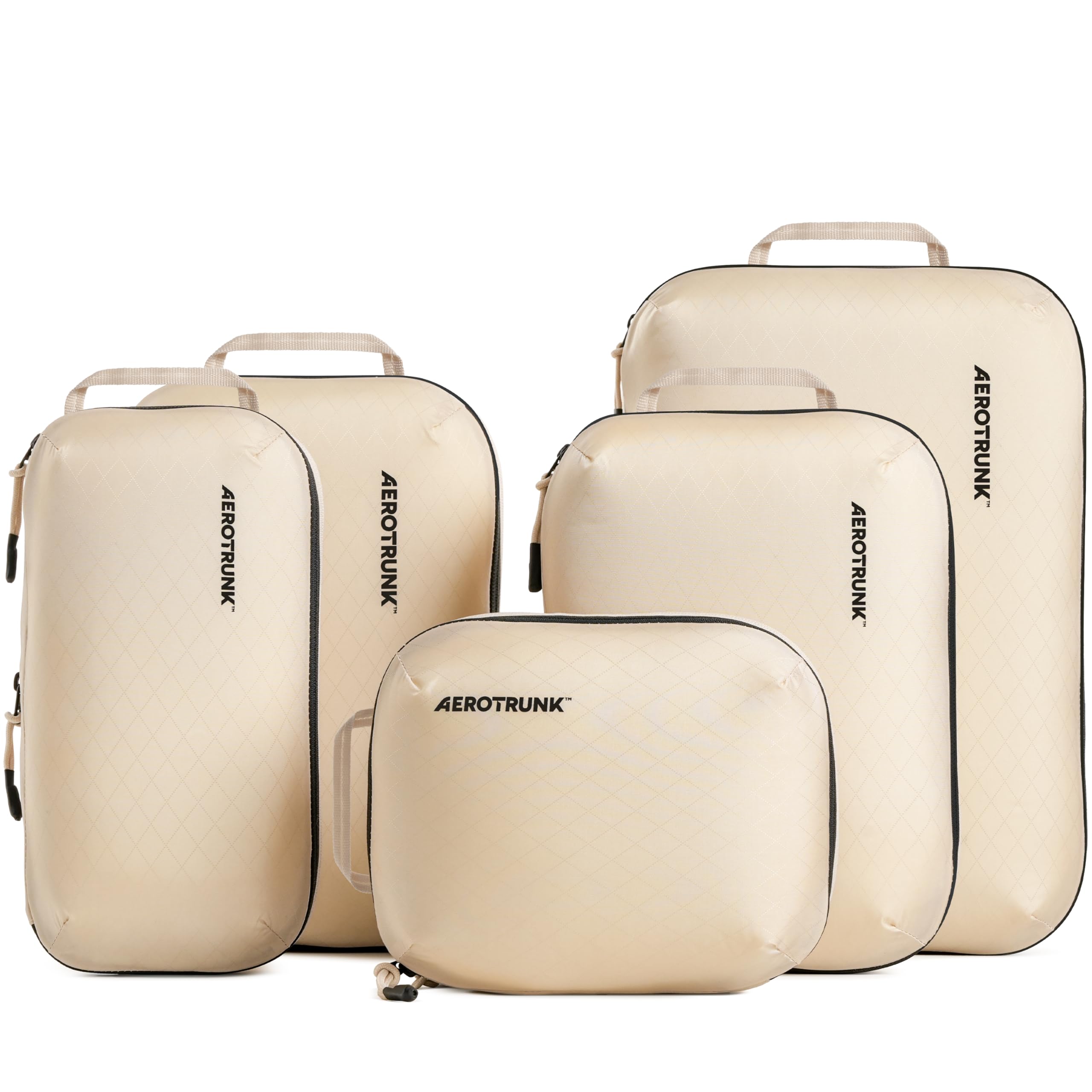
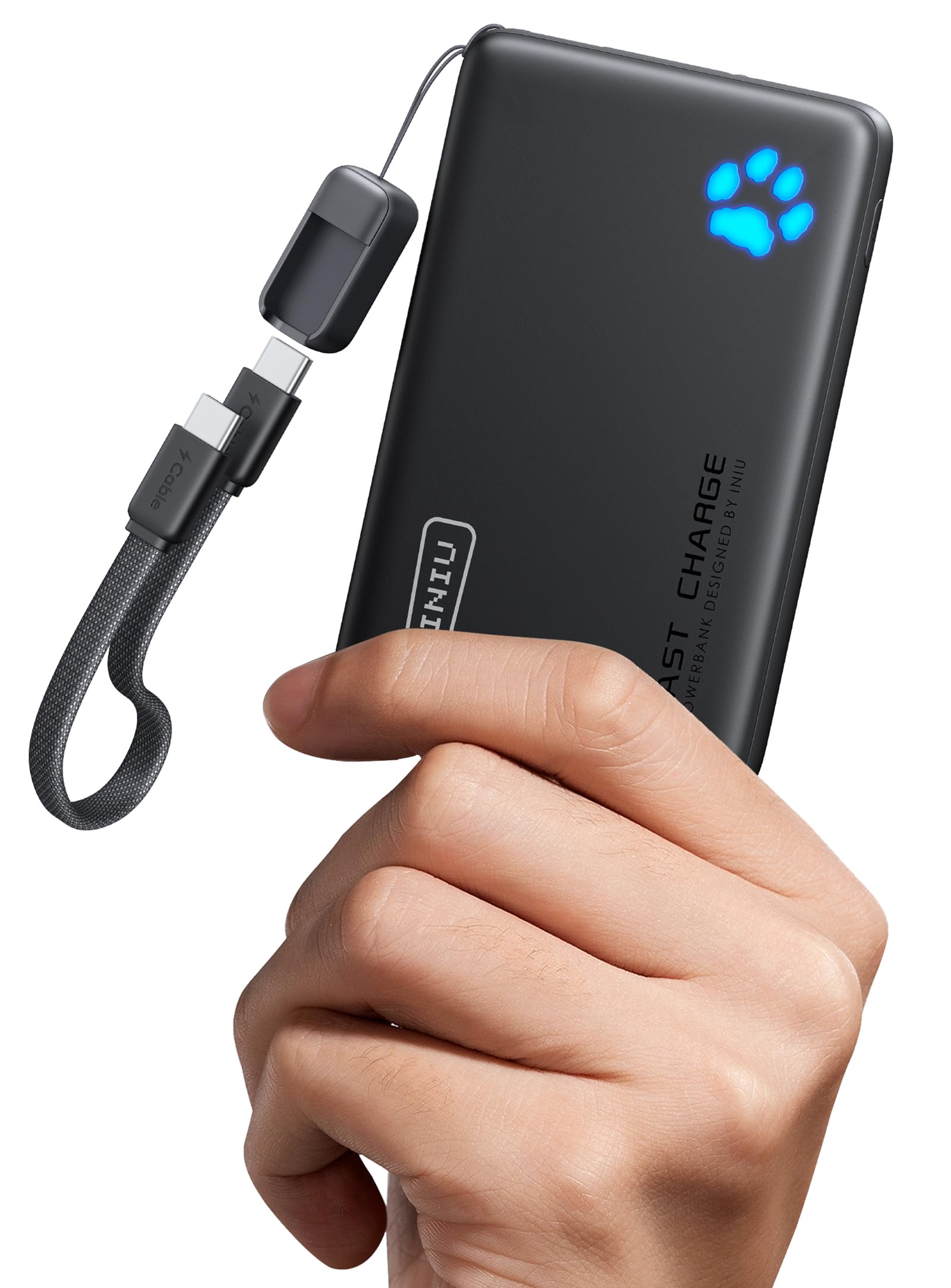
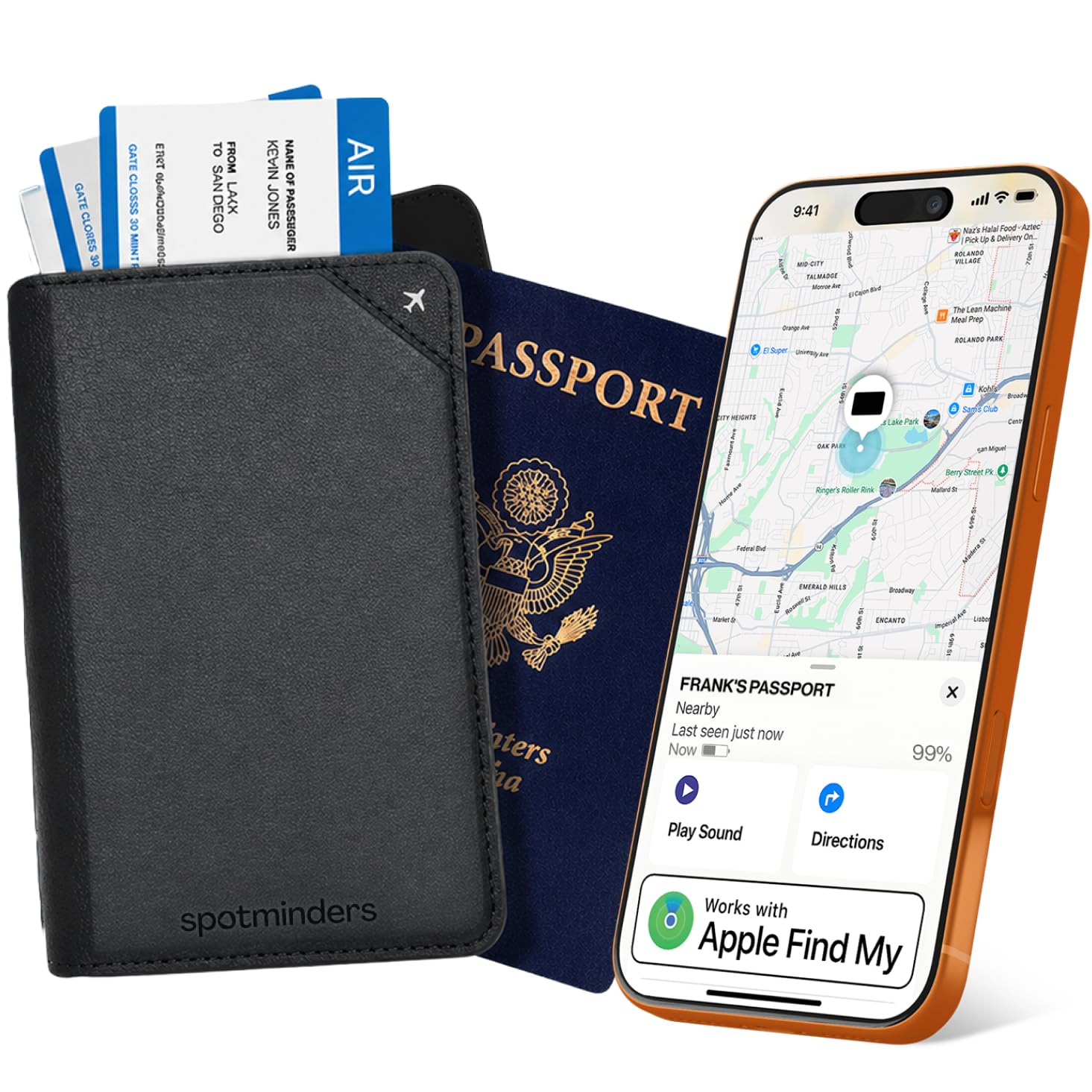
Packing light pays dividends at customs, on trains, and along cobblestones. Start with carry‑on‑friendly luggage when possible, and add these smart extras that solve common first‑timer pain points:
- Universal travel adapter with USB‑C: Most countries use different plug types and voltages. A single universal adapter with built‑in USB‑C ports powers phones, e‑readers, and cameras without a brick farm. Verify the adapter supports your destination’s voltage.
- Compression packing cubes: These keep outfits organized by day or activity and help you resist overpacking. Choose a set with a dedicated laundry cube.
- High‑capacity power bank (USB‑C PD): Navigation, mobile tickets, and translation apps drain batteries. A 20,000 mAh pack with fast charging keeps two phones topped up between outlets.
- RFID‑blocking passport wallet: Consolidate your passport, backup cards, and transit passes. Slip a paper copy of your photo page inside and store a digital copy in secure cloud storage.
- TSA‑approved luggage locks: Useful for checked bags, hostel lockers, and train luggage racks. Don’t lock valuables in checked luggage; keep them with you.
- Digital luggage scale: Weight limits vary by airline and fare class. A pocket scale protects you from surprise counter fees on the return leg.
- Leakproof travel bottles (TSA size): Transfer your go‑to toiletries to a 3‑1‑1‑compliant set. Double‑bag liquids and keep meds in original containers with prescriptions.
- Compact windproof travel umbrella: Sudden showers happen in maritime climates and shoulder seasons. An ultralight model rides in a daypack without fuss.
Bonus items that earn their place: a flat, packable tote for market finds; a microfiber travel towel for beach or hostel days; and a slim eye mask for overnight flights.
Practical first‑timer itinerary (7–10 days)
Day 0–1: Depart, arrive, and orient
Schedule an arrival day with minimal commitments. After hotel check‑in, take a short neighborhood walk, grab an early dinner, and turn in on local time. If you can stay awake, a sunset riverfront or park stroll helps reset your body clock.
Day 2: Headline sight + neighborhood wander
Book one major attraction with timed entry in the morning, then spend the afternoon in a nearby quarter—cafes, side streets, and a small museum or church. Early night if jet lag lingers.
Day 3: Museum morning, market lunch, viewpoint sunset
Mix indoor culture with outdoor people‑watching. Try a covered market for lunch; bring cash and your tote. Finish with a tower, hill, or rooftop viewpoint.
Day 4: Day trip
Take a train or ferry to a small city or coastal village. Buy tickets in advance where required, and verify return schedules—especially on weekends and holidays.
Day 5: Free day or special interest
Cooking class, bike tour, gardens, contemporary art, or a football match—choose one passion and follow it.
Day 6: Second headline sight + river or harbor hour
Anchor the day with your last must‑see and leave room for serendipity. An hour on the water or in a grand park is restorative.
Day 7–8: Spillover buffer and shopping
Use these for anything you missed, favorite‑spot repeats, and souvenirs you can pack flat (spices, tea, art prints). Keep receipts for customs.
Day 9–10: Wrap and return
Confirm airport transfer timing, airline baggage rules, and exit requirements. Pack an airport outfit on top and charge devices overnight.

Best time to visit
“Best” depends on what you want. In many international destinations, shoulder seasons (spring and fall) blend pleasant weather with thinner crowds and friendlier prices. Coastal and island getaways shine late spring to early fall; alpine and northern destinations are magical in winter if you’re prepared for short days and cold. Big cities work year‑round with museums, markets, and indoor dining. Always check local holiday calendars, school breaks, and major events that can spike rates and sell out hotels and attractions.
Getting around
- Transit: Most major cities offer reloadable cards or contactless tap‑to‑pay. Download official transit apps or offline maps before you land. Know that schedules and routes can change; verify departures on the day.
- Taxis and rideshare: Use licensed ranks or official apps where available. Ask for meter use or agree on a fare before starting. Beware of look‑alike vehicles at airports.
- Trains between cities: Reserve long‑distance trains in advance for popular routes and peak dates; validate paper tickets where required. Keep luggage in sight and use locks on racks.
- Driving: If you plan to rent a car, research local road rules and whether an International Driving Permit is recognized or required. Book automatic transmission early if you don’t drive manual. Confirm tolls, vignettes, and parking regulations.
- Walking: Cobblestones and curbs are part of the charm—wear supportive shoes and watch for bikes and trams at crossings.
Money, phones, and documents
Payments and cash
Cards are widely accepted in many international cities, but cash still matters in markets, small cafes, and rural areas. Use ATMs attached to banks for better rates, and decline dynamic currency conversion to avoid poor exchange rates. Some banks no longer require travel notices; others still recommend them—check yours before departure. Stash a backup card separately from your wallet.
Mobile data
Consider an eSIM or local SIM for affordable data. Ensure your phone is unlocked and compatible with local bands. Download offline maps, translation packs, and digital copies of reservations before you go.
Passports, visas, and entry
Many countries require that your passport remain valid beyond your intended stay (often several months). Check official government guidance for the exact requirement, whether you need a visa or electronic travel authorization, proof of onward travel, funds, or specific documentation. Keep printed and digital backups of key pages and confirmations.
Health and safety
Review routine vaccines and any destination‑specific recommendations with a medical professional well before departure. Bring prescriptions in original containers with copies of scripts, and consider travel insurance that covers medical emergencies and delays. Research common scams for your destination, keep bags zipped, and use hotel safes wisely (passport inside, a photo copy with you). In crowded areas, carry your daypack in front.
Common mistakes to avoid
- Overstuffing the itinerary: Two “big” sights per day is plenty. Leave space for snacks and surprises.
- Underestimating transit time: A 20‑minute map walk can take 40 with luggage and crowds; add buffers for connections.
- No arrival plan: Know how you’ll get from the airport or station to your lodging and what it costs. Verify first/last train times.
- Skipping entry research: Visa, authorization, or passport‑validity missteps can derail a trip. Check official requirements before booking flights.
- Only carrying one payment method: Bring at least two cards from different networks and some local cash.
- Ignoring local etiquette: Learn hello/please/thank you, when to queue, and how to greet. Respect religious sites with modest dress.
- Not confirming hours: Museum closures and restaurant days off vary; always reconfirm opening days and last‑entry times close to your visit.

FAQ
How far in advance should I book international flights?
For popular routes and peak seasons, begin monitoring fares a few months out, then book when timings, connections, and baggage terms align with your needs. Avoid extremely tight layovers for your first trip.
Do I need travel insurance for my first international trip?
It’s optional but valuable. Look for policies that address medical emergencies abroad, trip delay or interruption, and baggage issues. Always read coverage limits and exclusions and confirm current terms before purchase.
How much cash should I carry?
Enough for small purchases, markets, tips where customary, and places that do not accept cards. Use bank ATMs on arrival for better rates, and keep cash split between wallet and hotel safe.
What’s the best way to handle power and plugs?
Bring a universal adapter with USB‑C ports and verify voltage compatibility of your devices. High‑draw appliances like hair dryers may need a dual‑voltage model—check labels.
How do I avoid roaming charges?
Use airplane mode with Wi‑Fi, buy a local SIM, or install an eSIM plan for your destination. Confirm how to switch data lines in your phone settings and turn off data on your home line.
Ready to plan your International trip?
Compare current availability, locations, guest reviews, and booking options before choosing your stay.
Browse International stays on Expedia
Affiliate link • No additional cost to you
Conclusion
Your first international trip doesn’t need to be perfect; it just needs to be possible. Choose a few must‑do experiences, book lodging with straightforward transit, pack light but smart, and give yourself buffers on travel days. Confirm the latest entry rules, schedules, and policies, keep essentials backed up digitally, and let curiosity lead the way. Discover. Better.