

Italy rewards travelers who pack with intention. From marble-paved piazzas in Rome and vaporetto docks in Venice to cliffside stairs along the Amalfi Coast and vineyard lanes in Tuscany, the terrain and tempo change often—and so should your bag strategy. Pack light, think versatile, and plan for both style and function; it will make trains easier, old-town walks happier, and evenings out a lot more fun.
This guide is built for American leisure travelers who want to look appropriate, feel comfortable, and keep logistics smooth. You’ll find a simple framework for outfits, seasonal tweaks, region-specific notes, and a short list of travel essentials that solve real problems in Italy. When in doubt, choose fewer pieces that mix and match, and always confirm current rules, schedules, and baggage policies before you go.
Why visit (and why packing matters here)
Italy is a mosaic of climates and experiences. In a single trip you might stroll through Renaissance galleries in Florence, ride funiculars over Lake Como, hike terraced paths in Cinque Terre, and linger over seafood on Sicily’s coast. Many historic centers are pedestrianized with cobblestones and stairs. Churches and certain landmarks expect modest dress. Trains, ferries, and small elevators make compact luggage more practical. Pack with these realities in mind and your days run smoother.
Top things to do and signature experiences
- City classics: the Colosseum and Trastevere evenings in Rome; Uffizi galleries and Oltrarno artisans in Florence; canals, cicchetti, and island day trips in Venice; design forward neighborhoods and aperitivo in Milan.
- Coastal time: pastel villages and cliff paths in Cinque Terre; beach clubs and boat days on the Amalfi Coast; volcanic landscapes and baroque towns in Sicily; whitewashed trulli and olive groves in Puglia.
- Mountains and lakes: alpine huts and cable cars in the Dolomites; grand villas and garden promenades around Lake Como and Lake Garda.
- Food and wine: market strolls, pasta-making classes, vineyard tastings, and slow lunches that stretch into golden hour.
Each scene nudges your wardrobe differently: breathable fabrics for city touring, layers for alpine air, and smart-casual pieces that transition to dinner without a wardrobe change.
Best areas to keep in mind while you pack
Historic city centers
Rome, Florence, and Venice concentrate sights within walkable districts of stone streets and occasional steps. Comfortable footwear is non-negotiable, and compact day bags that tuck under a chair make café stops easier.
Coastlines and islands
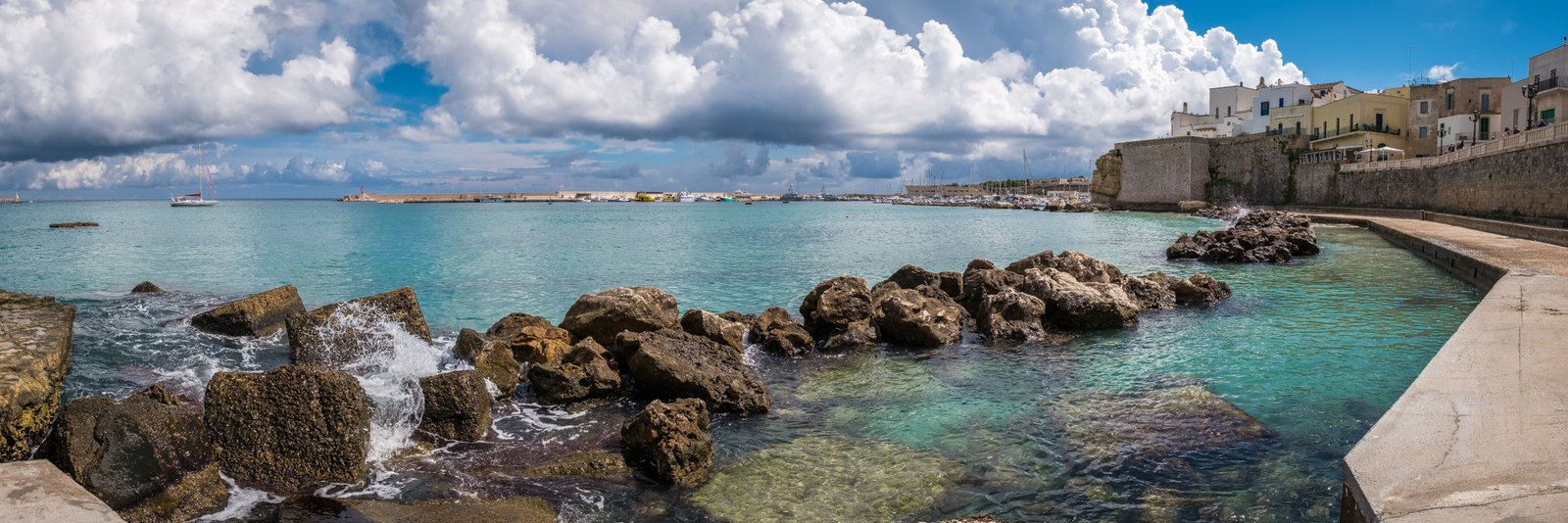
On the Amalfi Coast, Cinque Terre, and Sicily, many towns are stair-filled, and marina piers can be slick. Make sure your footwear grips well and your outer layer handles a breeze. Cover shoulders when stepping into churches near beach areas.
Mountains and lakes
The Dolomites and Lake Como call for flexible layers. Even in warm months, mornings and high-elevation viewpoints can be cool. A compressible layer earns its space here.
Where to eat (and how that affects your bag)
Italian dining leans relaxed but polished. In cities and around the lakes you’ll feel better with smart-casual pieces that don’t scream “gym.” Dark, tailored basics dress up quickly with a scarf. In coastal villages, many restaurants sit outdoors; a light layer helps after sunset. As always, confirm any venue-specific dress expectations for special dinners or concerts.
Where to stay
Italy offers everything from full-service hotels in city centers to agriturismi (farm stays) in the countryside and seaside apartments overlooking small harbors. Hotels simplify daily housekeeping and luggage assistance; vacation rentals give space for families or longer stays. Compare options on reputable booking platforms, and always check the property’s check-in process (some historic buildings have limited elevator access) and whether there are local city taxes to pay on arrival. For stays in car-restricted zones, ask your host or hotel how to handle arrival and parking.
Travel essentials for Italy: the only 8 items that truly earn their spot
Useful Travel Gear
Disclosure: Canyon Ray & Co. may earn a commission from qualifying purchases at no additional cost to you.


Keep your “must-buy” list short and purposeful. The items below solve specific Italy problems—from plugs to cobblestones—and integrate easily with any wardrobe.
- Italy travel adapter Type L. Italy commonly uses Type L outlets, and many adapters bundle compatibility for Type C as well. Choose a compact unit with multiple USB ports so you can charge a phone and e-reader overnight without a power strip.
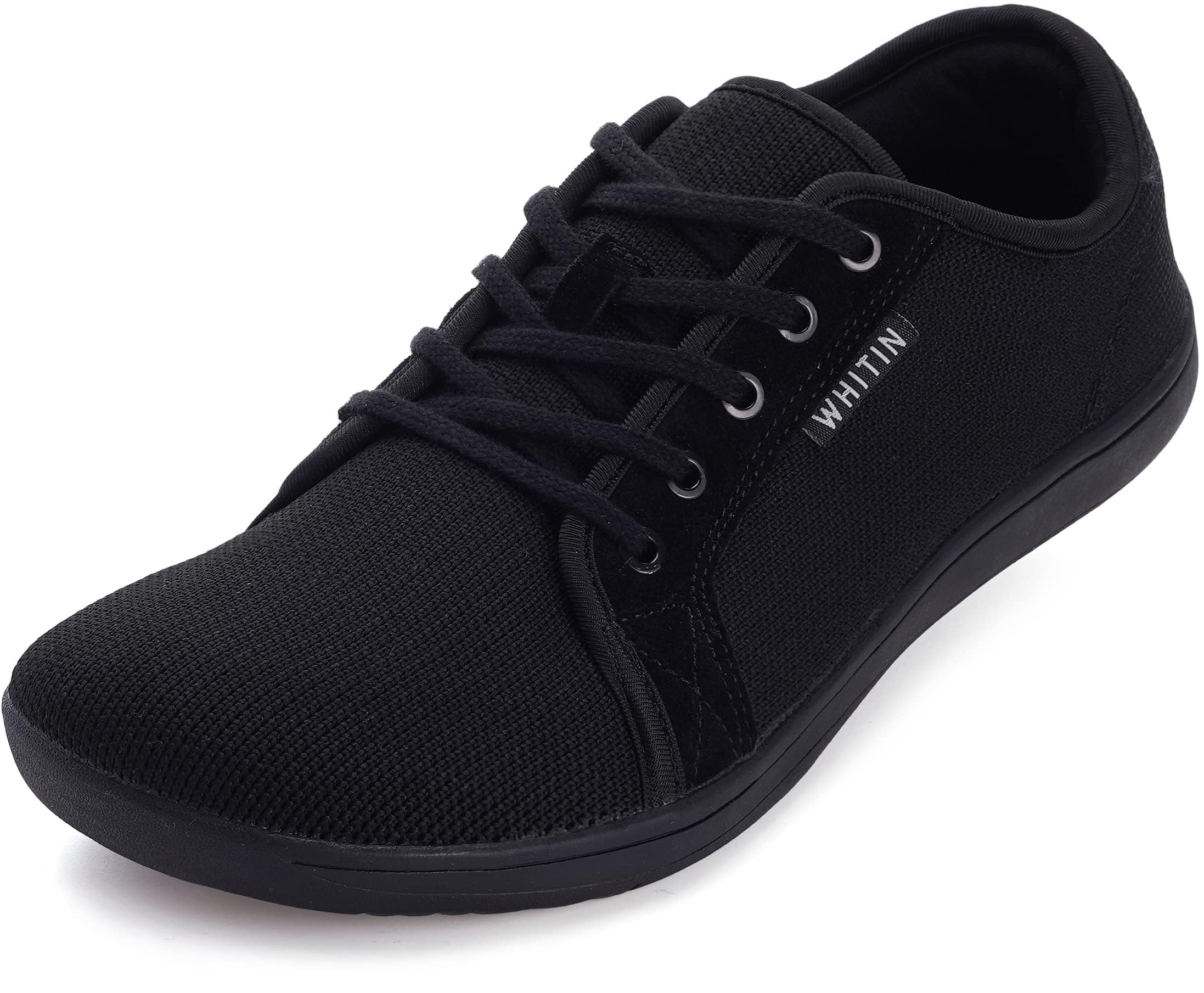
- Comfortable walking shoes for travel. Cobblestones, piazzas, stairways, and museum days add up. Pick supportive, closed-toe shoes with good tread that look presentable at lunch. Break them in before you fly.
- Anti theft crossbody travel bag. Urban crowds and public transit are easier with a slim, zippered crossbody that keeps essentials close. Look for locking zippers and a strap you can secure around a chair.
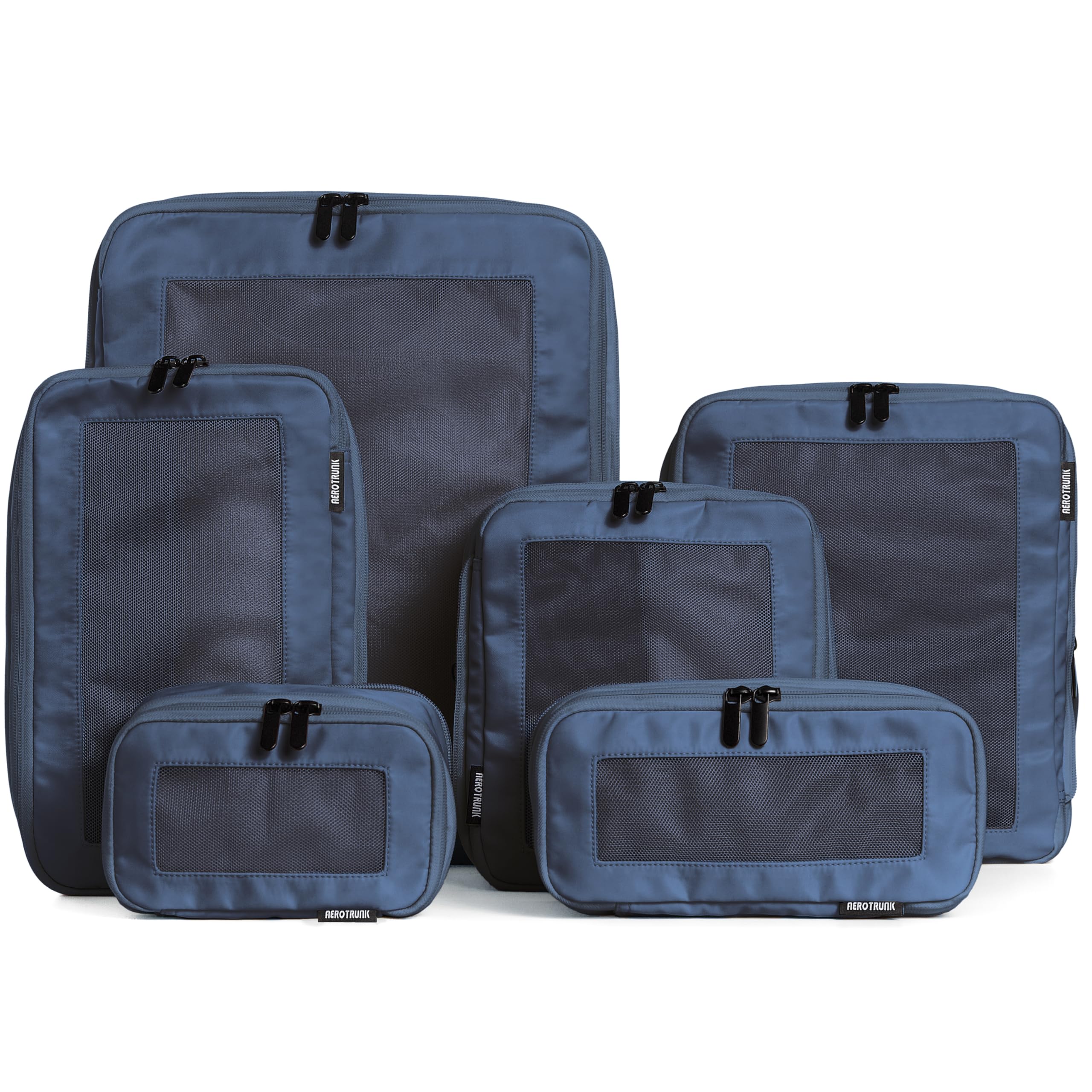
- Packing cubes set. With multiple city hops, cubes make hotel-to-train transitions faster and keep small historic rooms tidy. Assign a color to each traveler or category to save time.
- Lightweight travel scarf. A scarf earns double duty: quick coverage for churches and sun, plus instant polish for dinner. Neutral tones mix with everything.
- Packable rain jacket. Spring and fall can bring passing showers in cities and mountain mists up north. A compressible, hooded shell disappears into a day bag and beats carrying an umbrella on busy streets.
- USB-C power bank 20W. Navigation, translation, and photos drain phones on long touring days. A compact, airline-approved battery that fast-charges keeps maps and tickets at your fingertips.
- Collapsible water bottle BPA free. Many Italian towns offer public fountains with potable water; refill as you go and fold the bottle when it’s empty to save space.
That’s it. These eight cover power, comfort, security, organization, weather, battery life, and hydration—without bloating your bag.
Build a smart Italy wardrobe
The mix-and-match formula
Plan on a tight color palette—think navy, black, olive, tan—with 2–3 tops per bottom, plus one versatile outer layer. Choose breathable fabrics that don’t wrinkle easily. In cities and around the lakes, smart-casual pieces blend better than athleisure. If you like dresses, a knee-length option that layers with your scarf is the easiest day-to-dinner change. Keep logos quiet and silhouettes simple.
Seasonal tweaks
- Spring (March–May): Mornings can be cool and rain is possible. Your packable rain jacket and scarf handle most swings; add a light midlayer for northern regions.
- Summer (June–August): Expect heat, especially in cities and the south. Choose breathable fabrics and airy cuts. Many travelers shift to lighter colors; sun protection and hydration matter on long sightseeing days.
- Fall (September–November): Similar to spring with clearer days early on and crisp evenings later. Layers help you pivot from vineyard afternoons to lake breezes.
- Winter (December–February): Northern Italy can be cold and damp. In cities, a warm, compact layer under a coat keeps museum lines comfortable; in the mountains, dress for alpine conditions and check local forecasts before outdoor plans.
By region
- Rome, Florence, Venice, Milan: Elevated basics that handle museums by day and trattorie at night. Prioritize those walking shoes.
- Amalfi Coast and Cinque Terre: Towns are vertical; stairs and polished stone are common. Aim for grippy soles and easy layers for sea breezes.
- Tuscany and Umbria: Rural drives and hill towns call for practicality and layers that move from vineyards to village dinners.
- Lake Como and the Dolomites: Cooler evenings, mountain weather shifts. Bring that compressible outer layer even in summer.
- Sicily and Puglia: Sunny, salt-air days and relaxed evenings. Lightweight fabrics shine here.
Practical itinerary guidance (so your bag matches your route)
For a classic 10–12 day first-time loop—Rome → Florence (with a day trip to Tuscany) → Venice → Milan or Lake Como—keep luggage to carry-on plus a small personal item if you can. Historic hotels and train carriages are easier this way, and you’ll move faster through stations. If you’re adding the Amalfi Coast, build in time for stairs and boat schedules; if you’re pivoting to the Dolomites, plan for an extra layer for high-elevation viewpoints. Always confirm the latest train and ferry schedules and allow buffers for connections.
Best time to visit
Shoulder seasons—spring and fall—reward travelers with lively cities, comfortable walking weather, and generally pleasant skies. Summer is festive and long-dayed, but hotter in cities and busier at coastal spots; plan earlier starts and midafternoon breaks. Winter brings twinkle-lit piazzas, opera seasons, and quieter museums, with the coldest conditions in the north and mountain regions. Whichever season you choose, your eight essentials above adapt with light wardrobe tweaks.
Getting around (and keeping your bag manageable)
- Trains: Italy’s rail network connects major cities quickly. Overhead racks and luggage shelves fill up; compact rolling bags maneuver best through aisles and platforms. On some regional lines, you may need to validate paper tickets before boarding; digital tickets typically do not—follow the instructions on your fare and posted signage.
- Ferries and boats: From Venice vaporetti to Amalfi Coast ferries, expect jostling when boarding. Keep your day bag zipped and your hands free.
- Driving: Many town centers have ZTL (limited traffic) zones with camera enforcement. Ask your hotel or host about permitted routes and parking before arrival to avoid fines.
- Local transit and taxis: Keep small bills/coins handy for kiosks and validate when required. For ride-hailing and taxis, confirm the pickup point and any surcharges in advance.
- Laundry: Self-service laundries (lavanderie) are common in cities and university towns, and many rentals include a washer. A light packing list works if you plan one wash mid-trip.
Common mistakes and local considerations
- Overpacking heavy bags: Cobblestones, stairs, and small elevators make oversized luggage a hassle. Edit ruthlessly.
- Ignoring modesty guidelines: Some churches expect covered shoulders and knees. Your lightweight travel scarf solves last-minute coverage.
- Forgetting about outlets: Not all European adapters include Italy’s Type L pins. Bring the correct adapter so you’re not hunting in a farmacia at bedtime.
- Wearing unsupportive shoes: Style matters, but so does traction and cushioning on stone streets.
- No rain plan in shoulder seasons: A packable rain jacket keeps you touring when showers pass through.
- Assuming every rule is the same everywhere: Museum bag-size limits, local taxes, and entry procedures vary by city. Check official sites before you go and again before you visit.
FAQ
Do I need a voltage converter in Italy?
Most modern electronics (phones, tablets, e-readers, many laptops) are dual-voltage and only require the correct plug adapter. Check the fine print on any device that heats—hair tools may need a specific dual-voltage model. When in doubt, skip high-wattage gadgets and use what your hotel provides.
What should I wear to visit churches and the Vatican?
Plan on covered shoulders and knees. Your lightweight travel scarf offers quick coverage, and midi-length skirts, dresses, or pants keep things simple. Security lines move faster when bags are compact and zip closed.
How many shoes should I bring?
Two pairs work for most trips: one primary pair of comfortable walking shoes for travel days and touring, plus a second pair you can wear to dinner. If you’re hiking in the Dolomites, bring purpose-built footwear appropriate to the trails you’ll tackle.
Is it safe to carry a backpack?
Backpacks are common, but crowded buses, trains, and markets call for extra awareness. A slim anti theft crossbody travel bag that stays in front of you is ideal for valuables; keep larger daypacks minimal and zipped.
Can I drink the tap water?
In many Italian cities the tap water is potable, and public fountains often provide safe drinking water. Use your collapsible water bottle BPA free to refill. When unsure, check posted signs or ask your hotel.
What’s the smartest way to move between cities?
Trains are usually the simplest for major routes like Rome–Florence–Venice–Milan. Book seats you’re comfortable with, and keep your luggage compact to navigate platforms and carriages easily. Always confirm the latest schedules before you go.
Ready to plan your Italy trip?
Compare current availability, locations, guest reviews, and booking options before choosing your stay.
Affiliate link • No additional cost to you
Conclusion
Packing well for Italy isn’t about bringing more—it’s about bringing the right few things. With a Type L adapter, real walking shoes, a secure crossbody, packing cubes, a scarf, a packable rain shell, a compact power bank, and a collapsible water bottle, you’ll be set for cities, coasts, and countryside in every season. Edit your wardrobe to mix and match, keep your bag lean, and you’ll discover more with less to carry. Buon viaggio.