
The Great River Road is America’s longest, most storied byway—a thread of state and local roads shadowing the Mississippi River through ten states and centuries of history. Watch bluffs give way to bottomland hardwoods, hear the soundtrack shift from folk to blues to brass, and taste the country as it moves from walleye to barbecue to beignets.
This itinerary is a sampler of the full route, designed for travelers who want dramatic overlooks, classic river towns, and deeply American culture without rushing every mile. You’ll start in the Upper Mississippi’s sandstone country and finish where the river meets the Gulf, with practical guidance on food, lodging, packing, and pacing. Always confirm current road conditions, museum schedules, ferries, and any park or levee-access rules before you go.
Why travel the Great River Road
Few drives connect as many chapters of American life. The route unspools past ancient Indigenous sites, French colonial villages, Mark Twain lore, Civil War landscapes, Delta juke joints, and Creole neighborhoods. Scenic pullouts deliver big-sky river views; small towns add bakeries, supper clubs, and courthouse squares; and major cities provide world-class museums and music.
Top things to do and signature experiences
Blufftop vistas and wildlife refuges
North of Iowa, the river swings beneath sandstone and limestone bluffs. Add stops at Great River Bluffs State Park for panoramic overlooks and Trempealeau National Wildlife Refuge for migrating waterfowl. Bring binoculars—bald eagles are common in colder months.
Ancient earthworks and river culture
Near Prairie du Chien, walk the clifftop lookouts at Pikes Peak State Park, then visit Effigy Mounds National Monument to learn about Indigenous mound-building traditions set high above the Mississippi’s bends.
Mark Twain country
Hannibal, Missouri, preserves the streets, caves, and river views that inspired Tom Sawyer and Huck Finn. Even if you’re not museum-hopping, the riverfront and hillside lookouts frame classic scenes of tows pushing barges upstream.
Music of the Mississippi
Memphis is electric with live shows and studios; Clarksdale in the Delta hosts down-home blues venues. Seek out small clubs and weeknight jams as well as headline rooms.
Creole and Cajun finale
South of Natchez, the Great River Road threads plantation-era sites, river batture, and levees on the way to Baton Rouge and New Orleans—where the journey crescendos with brass bands, po’boys, and oak-shaded neighborhoods.
Best regions and classic stops
Upper Mississippi (Minnesota to northern Illinois): Expect scenic overlooks, historic brewing towns, and eagle country. Red Wing, Wabasha, La Crosse, Prairie du Chien, and Dubuque make a tight string of worthwhile pauses, with side trips to Galena’s 19th-century main street.
Middle Mississippi (Missouri and western Illinois): St. Louis anchors the segment with museums and riverfront parks, while Ste. Genevieve’s French colonial district and Cape Girardeau’s murals and levee views add texture.
Lower Mississippi (Tennessee to Louisiana): Memphis and Clarksdale serve the blues; Vicksburg and Natchez offer Civil War and antebellum history; Baton Rouge and New Orleans deliver food, festivals, and architecture you’ll talk about for years.

Where to eat and what to try
Follow the river’s pantry: fish fries and walleye sandwiches in Minnesota and Wisconsin; cheese curds at small-town supper clubs; pork tenderloin sandwiches in Iowa and Illinois; toasted ravioli and barbecue in St. Louis; dry-rub ribs in Memphis; hot tamales in the Delta; and in Louisiana, crawfish dishes, boudin, étouffée, and beignets. In small towns, hours can be limited or seasonal—call ahead, especially midweek.
Where to stay
Top Hotels to Consider
A mix of well-located resorts, hotels, and stays suited to different travel styles and priorities.






Find your stay in Great River Road
Compare locations, guest reviews, and current availability.
Affiliate link • No additional cost to you
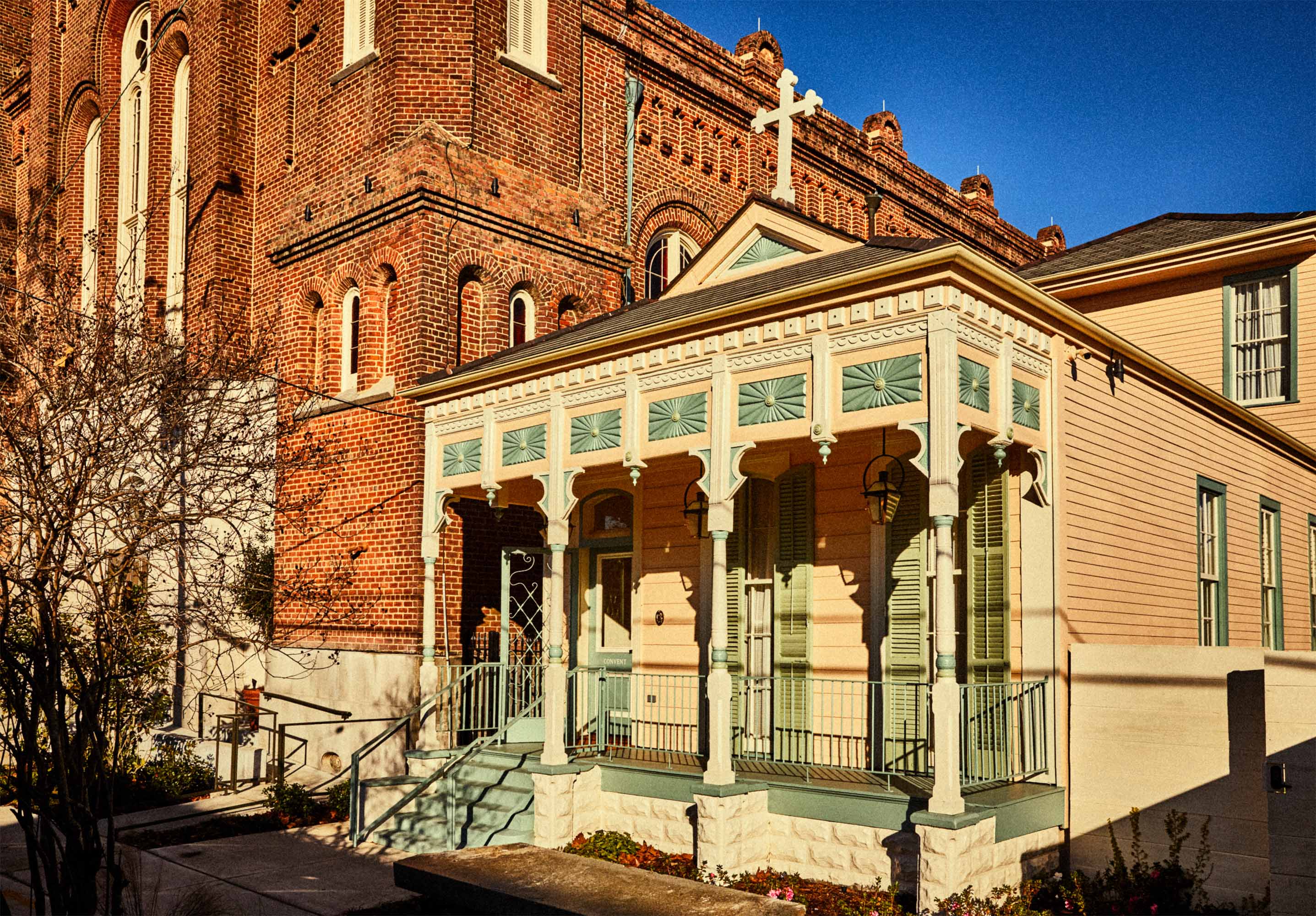
The Great River Road rewards a mixed strategy: boutique hotels in anchor cities and historic inns in river towns. Consider overnights in Minneapolis–Saint Paul, La Crosse, Dubuque, Hannibal, St. Louis, Memphis, Natchez, and New Orleans. Book ahead for weekends and festival dates; in quieter stretches, smaller properties may set limited check-in days.
What to pack for the Great River Road
Useful Travel Gear
Disclosure: Canyon Ray & Co. may earn a commission from qualifying purchases at no additional cost to you.




Weather, roadside picnics, and wildlife watching all shape smart packing for this drive. Bring:
- Soft-sided cooler: Keeps cheese curds, fruit, and drinks cold without hogging trunk space; easier to carry to riverfront picnic tables.
- Collapsible trunk organizer: Tames maps, snacks, and rain layers so they don’t migrate under seats on winding bluff roads.
- Compact binoculars: Essential for eagle and heron viewing at refuges and for scanning towboats from scenic overlooks.
- Car phone mount: Safer navigation on a route that often jumps between state highways and levee-adjacent roads.
- USB‑C car charger: Reliable high-output charging for phones and cameras on long haul days.
- Packable rain jacket: Storms roll quickly along the river; a lightweight shell is more versatile than an umbrella at windy lookouts.
- DEET insect-repellent wipes: Handy for dusk stops near backwaters and boardwalks when mosquitoes are feistiest.
- Rand McNally road atlas: Cell coverage can waver in river valleys; a paper atlas is great for detours and scenic loops.
Practical 10-day Great River Road itinerary
Day 1: Minneapolis–Saint Paul to La Crosse (approx. 160 miles)
Pick up the Great River Road south of downtown Minneapolis and trace the bluffs through Red Wing and the Lake Pepin shoreline. Pause in Wabasha’s riverfront district before crossing into La Crosse. Time-permitting, catch sunset from Grandad Bluff or Riverside Park’s levee path.
Day 2: La Crosse to Dubuque via Prairie du Chien (approx. 140 miles)
Roll past Trempealeau National Wildlife Refuge and on to Prairie du Chien. Climb to Pikes Peak State Park for sweeping confluence views, then visit Effigy Mounds National Monument. Continue to Dubuque’s historic downtown and riverwalk.
Day 3: Dubuque to Hannibal via Galena and the Quad Cities (approx. 230 miles)
Spend a morning in Galena’s well-preserved streets, then angle through the Quad Cities for a Mississippi-side lunch. Cross to Nauvoo’s riverfront before arriving in Hannibal for a twilight stroll above the harbor.
Day 4: Hannibal to St. Louis (approx. 120 miles)
Follow the rolling river corridor to St. Louis. Explore a museum or two and a riverfront park. Consider a neighborhood food crawl—The Hill for Italian heritage, Cherokee Street for Mexican bakeries, or a brewery district for pub classics.
Day 5: St. Louis to Memphis via Ste. Genevieve and Cape Girardeau (approx. 300 miles)
Detour through Ste. Genevieve’s French colonial district, then pause at Trail of Tears State Park or the murals in Cape Girardeau. Arrive in Memphis for barbecue and live music.
Day 6: Memphis to Clarksdale (approx. 75 miles) and on to Vicksburg (approx. 150 miles)
Spend your morning in Memphis, then slide down Highway 61 to Clarksdale for a museum or juke joint visit. Continue to Vicksburg for river views and history-focused sightseeing.
Day 7: Vicksburg to Natchez (approx. 75 miles)
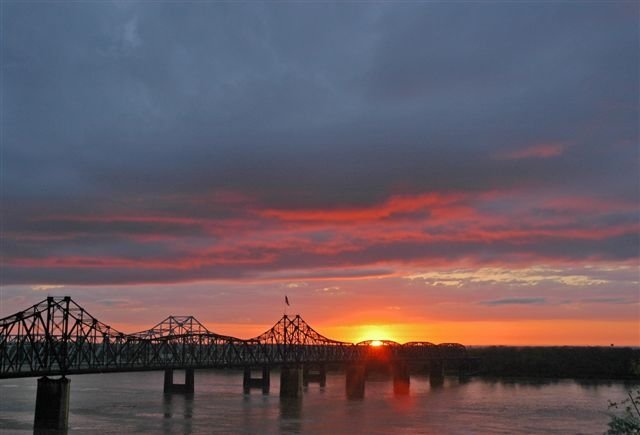
Short but scenic: meander south on the Great River Road and consider a side drive on the Natchez Trace Parkway. In Natchez, walk the bluff-top promenade and explore the historic district.
Day 8: Natchez to Baton Rouge (approx. 95 miles)
Track levee country and riverside viewpoints. In Baton Rouge, pair a downtown stroll with a meal along the riverfront before continuing or overnighting.
Day 9: Baton Rouge to New Orleans (approx. 80 miles)
Roll the final stretch into New Orleans. Settle into a walkable neighborhood—Marigny, Bywater, or the lower French Quarter—and trade keys for streetcar rides.
Day 10: New Orleans at leisure
Wrap the journey with café breakfasts, live music, and garden-lined streets. Consider a wetlands or bayou excursion to complete the river-to-Gulf story.
Tip: If you have fewer days, concentrate on the Upper or Lower Mississippi. With more time, add overnights in Red Wing, Galena, the Quad Cities, or Baton Rouge.
Best time to visit
Fall brings crisp air and standout foliage in Minnesota, Wisconsin, and Iowa, typically peaking earlier in the north and later as you move south. Spring offers migrating birds and greening bluffs, though high water can affect some access points. Summer is lively for festivals and patio dining but comes with heat and humidity south of St. Louis. Winter is quiet, great for eagle viewing up north, and best for travelers comfortable with cold-weather driving. Always check local conditions and any seasonal closures.
Getting around
Watch for the green-and-white pilot’s wheel signs designating the Great River Road in each state; the route often splits into east- and west-bank options around bridges. Keep offline maps handy for valleys with spotty coverage. In rural segments, fuel stations and EV chargers can be spaced far apart—plan charging or refueling in anchor towns. Some levee roads and wildlife areas have access rules; heed posted signs and never drive on closed levees.
Common mistakes and local considerations
- Underestimating distances: The river meanders; so do the roads. Build in time for scenic pullouts and small-town stops.
- Skipping weekday checks: Museums and visitor centers in smaller towns may close early or on certain days—confirm before arrival.
- Ignoring weather and water: Storms move fast and high water can change access; monitor forecasts and local advisories.
- Trespassing on levees or private land: Only enter areas clearly open to the public and follow all posted rules.
- Not protecting against bugs and sun: Insect repellent and sun protection matter as much as a rain layer along the river.
FAQ
How long does the full Great River Road take?
Driving every segment across ten states can take two to four weeks depending on pace and how many museums, parks, and city days you build in. This guide focuses on a 10-day highlight reel.
Is the Great River Road RV-friendly?
Yes, but expect narrow streets in historic districts and limited parking at some overlooks. Plan fuel stops and campgrounds ahead, and use city transit or rideshares in larger metros.
Is the route well marked?
Each state signs the byway with a pilot’s wheel logo, though signage can be sporadic near city interchanges. Pair signs with offline maps for confidence.
Can I drive it in winter?
Many travelers do, especially for eagle viewing up north, but be prepared for snow and ice in the Upper Midwest and potential river fog farther south. Check local advisories before setting out.
Do I need to book attractions in advance?
Some tours, small museums, and popular restaurants use timed entry or reduced hours on certain days. Reserve when possible and always verify current schedules and any fees.
Ready to plan your Great River Road trip?
Compare current availability, locations, guest reviews, and booking options before choosing your stay.
Browse Great River Road stays on Expedia
Affiliate link • No additional cost to you
Conclusion
The Great River Road is less a straight line and more a narrative—of water shaping land, and people shaping culture along its banks. Follow the bluffs, ferries, levees, and main streets at a humane pace, and you’ll collect the snapshots that define a classic American road trip: towboats under big skies, courthouse squares at golden hour, music drifting from a doorway, and a final taste of the Gulf. Plan smart, pack light but well, and confirm details as you go. Discover. Better.