
You can see the world with nothing more than a carry-on and a clear plan. For a seven-day international trip, packing light is less about deprivation and more about strategy: a tight capsule wardrobe, smartly chosen gear, and a small set of habits that keep your load nimble from curb to customs.
This guide walks you through exactly how to build a weeklong carry-on kit that works across city breaks, coastal detours, and countryside day trips. You’ll learn how to choose layers that mix and match, what toiletries are worth the space, which travel tools actually earn their keep, and how to structure your week so you’re never stuck with a bulky bag or a laundry emergency. Confirm current airline rules, local regulations, and availability before you go—then enjoy the freedom of rolling right past baggage claim.
Why go carry-on for international travel
Flying carry-on only streamlines almost every step of your journey. You reduce the risk of lost luggage, move faster through airports and train stations, and stay more flexible if you switch hotels or squeeze in a spontaneous overnight. Many international carriers also use smaller overhead bins and stricter weight limits than typical U.S. domestic flights, so a disciplined packing approach helps you stay within the rules. Always check your airline’s size and weight allowances in advance and weigh your bag at home.
Top things to do and signature experiences (and how packing supports them)
International trips often blend city culture, scenic day trips, and late nights out. Build your bag to flex between:
- Museum and market days: Neutral layers and comfortable walking shoes keep you polished in galleries and practical in open-air markets.
- Historic centers and religious sites: Pack modest options (long pants or a breezy midi skirt and a light layer) to be respectful at churches, temples, or mosques.
- Coastal or countryside detours: A packable jacket and quick-drying layers handle breezy waterfronts and cooler highlands.
- Evenings out: One elevated outfit—built from your capsule—covers a nice dinner, theater, or rooftop bar without dedicated “dress-up” pieces.
Best neighborhoods, beaches, parks, or local areas—packing by setting
Even if you don’t know your final mix of neighborhoods and natural spaces, pack for these common patterns:
- Old towns and pedestrian quarters: Stone streets can be slick and uneven. Choose supportive sneakers with tread and avoid wheels-only suitcases if you plan long walks from transit to lodging.
- Coastal promenades: Sun and breeze shift quickly. A compact jacket and a packable day bag keep you comfortable from brunch to sunset.
- Parks and urban greenways: Light layers and a small crossbody or personal-item backpack let you move hands-free for bike rides and picnics.

Where to eat (and what your bag should anticipate)
Street food and casual cafés are highlights of international travel. Pack napkin-size stain wipes in your toiletries kit, and carry a small resealable bag for utensils or a snack on trains and buses. If you have food allergies, bring printed translation cards and confirm local ingredient names. Avoid overpacking pantry items you can buy abroad; save space for regional treats on the way home by wearing your bulkiest layers during the flight.
Where to stay
Location beats luggage every time. Book near transit lines or walkable centers to minimize time hauling your bag. If possible, choose lodging with on-site or nearby laundry—one wash midweek halves your clothing load. For hotels, check for amenities like irons or steamers (or use a hot shower steam with your clothes hung safely in the bathroom). For apartments and vacation rentals, verify the washing machine type and detergent availability; compact European machines run longer cycles than typical U.S. models.
Confirm current policies, late check-in options, and luggage storage for pre- or post-stay hours. Availability, rules, and fees change—always double-check before departure.
What to pack for a 7-day international trip (carry-on only)
Useful Travel Gear
Disclosure: Canyon Ray & Co. may earn a commission from qualifying purchases at no additional cost to you.

Think in outfits, not items. A tight color palette—two neutrals and one accent—lets every top work with every bottom. Plan for one midweek wash.
Your 7-day capsule wardrobe
- Tops: 4–5 lightweight shirts or blouses (mix of short/long sleeves).
- Bottoms: 2 versatile options (e.g., chinos + dark denim; or midi skirt + trousers).
- Layer: 1 light sweater or cardigan.
- Outer layer: 1 compact jacket suitable for your destination’s climate.
- Shoes: 1 comfortable walking sneaker + 1 dress-up flat/sandal or low-profile shoe.
- Underwear & socks: 7 pairs each (swap to 4–5 if you’ll do a midweek wash).
- Sleepwear + workout/swim (optional): 1 set suited to your plans.
- Accessories: Compact scarf, small umbrella if seasonally appropriate, and sunglasses.
Roll or fold using a method you can repeat consistently; the key is consistency so everything fits on the return, too.
Smart gear that earns its space
These compact tools make a big difference for international travel. Confirm current airline liquid, size, and battery rules before you fly.
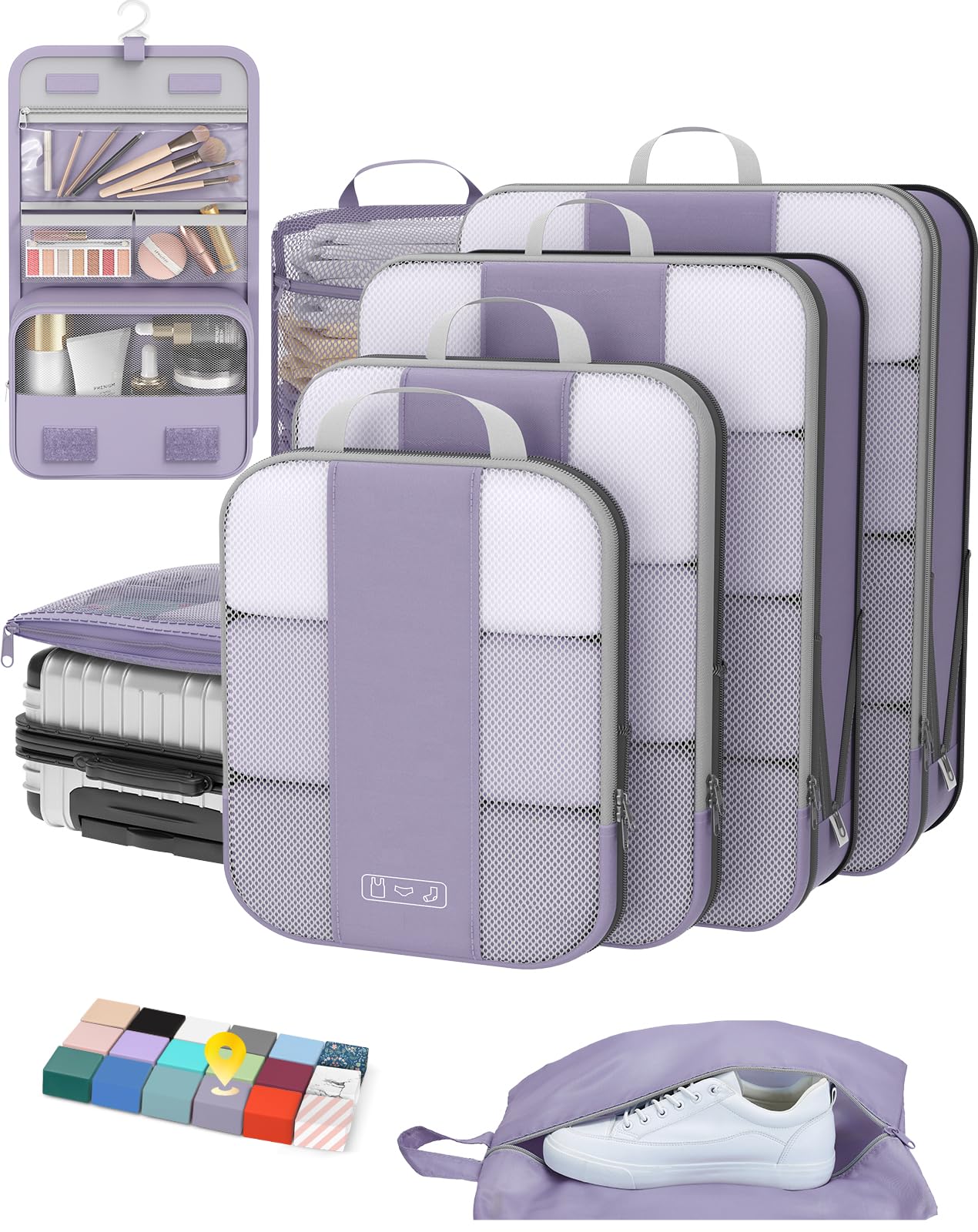
- Compression packing cubes set: Segment outfits by day or activity, then compress to reclaim space while keeping the bag organized. Choose durable zippers and a range of sizes.
- Universal travel adapter with USB-C: A single, all-in-one adapter handles most outlet types and charges multiple devices at once. Look for a built-in USB-C PD port for faster charging where allowed.
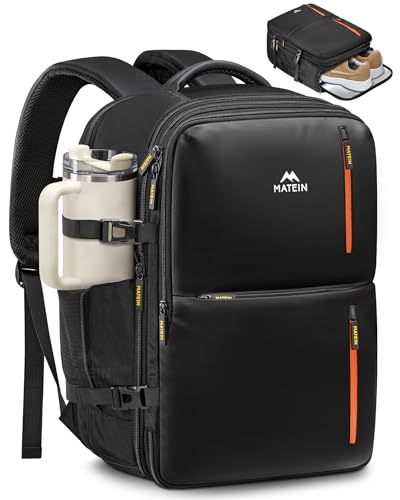
- Underseat personal item backpack: An airline-compliant daypack keeps documents, a light layer, and essentials at your feet. Prioritize a trolley sleeve, water bottle pocket, and quick-access top pocket.
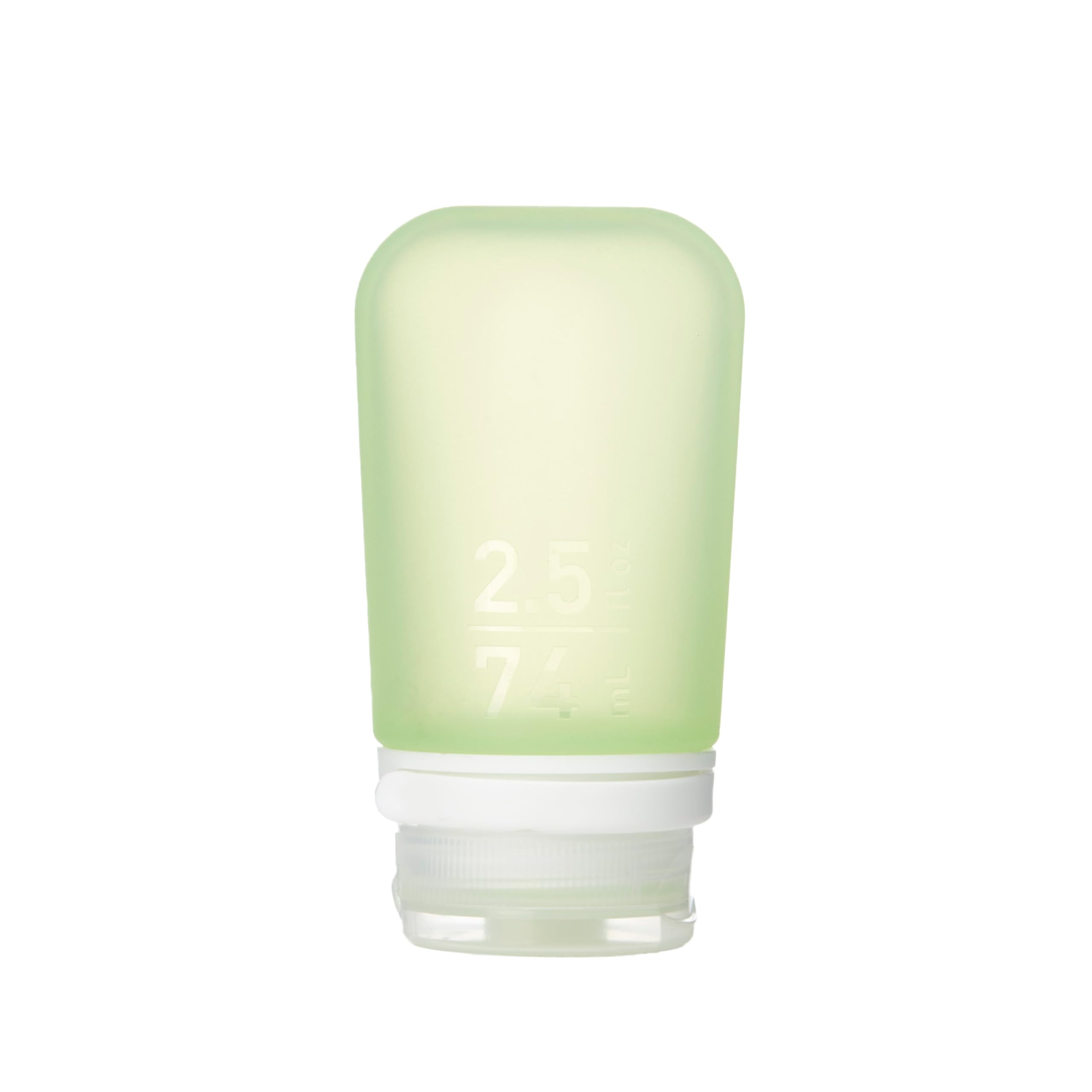
- Travel-size refillable toiletry bottles (TSA approved): Decant your favorite products into leak-resistant silicone bottles. Pack only what you’ll use in a week and keep liquids in a clear quart-size bag per your departure airport’s rules.
- Packable down jacket: Ultralight insulation doubles as an in-flight pillow, layers under a rain shell, and saves the day during chilly nights.
- Portable luggage scale: Many non-U.S. carriers enforce strict cabin weight; weigh at your hotel to avoid gate-check surprises.
- Laundry detergent sheets (travel): Do a sink wash or quick machine cycle midweek; sheets are light, leak-proof, and easy to portion.
- RFID passport holder: Corral your passport, backup cards, and boarding passes in a slim, secure wallet you can grab at checkpoints.
Toiletries and personal care
Keep liquids minimal and multipurpose. Solid bars (facial cleanser, shampoo) reduce your liquid load, but verify what’s permitted at your departure and transit airports. Pack a small first-aid basics kit (bandages, blister care) and any prescriptions in original labeled containers in your personal item, not your overhead bag. Regulations and allowances vary by country—check before you go.
Practical 7-day itinerary rhythm (to match your bag)
Use this flexible outline and swap in your own destinations:
- Day 1 – Arrival + light stroll: Wear your bulkiest layers on the plane. After check-in, do a neighborhood walk, early dinner, and early night.
- Day 2 – City highlights: Major museum or landmark in the morning; market or food hall lunch; riverfront or park in late afternoon; casual dinner. Rotate tops to keep outfits fresh in photos.
- Day 3 – Neighborhood deep dive: Explore a different district, café-hop, and schedule one reservation-only site. Hand-wash a couple of items at night if needed.
- Day 4 – Day trip: Coastal village, wine region, or historic site. Bring your packable jacket and personal-item backpack.
- Day 5 – Culture + evening out: Smaller galleries or workshops by day; a dressier dinner or performance at night using your capsule’s elevated combo.
- Day 6 – Free day + laundry: Late breakfast, shopping, and a quick machine wash. Use detergent sheets and line-dry overnight if allowed.
- Day 7 – Last look + departure prep: Revisit a favorite spot, pack early, weigh your bag, and stage your airport outfit with pockets for documents.

Best time to visit (for carry-on planners)
Shoulder seasons—often spring and fall in many regions—balance milder weather with fewer crowds, making light layers and compact outerwear a smart match. In the tropics or Southern Hemisphere, seasons invert; research climate norms for your destination and pack accordingly. Festivals, school holidays, and regional events can fill hotels and trains quickly, so confirm availability and ticketing well ahead.
Getting around
International carry-on sizes can be smaller than typical U.S. domestic limits, and some carriers weigh cabin bags and personal items. Trains and intercity buses may have limited overhead space; soft-sided bags and underseat backpacks are easier to stow. In cities, public transit and walking usually beat ride-hailing at peak hours—plan your route before you leave the hotel, and keep your personal item zipped and close in crowded areas.
Common mistakes and local considerations
- Overpacking “just in case” items: If you won’t use it twice in a week, it probably doesn’t belong.
- Ignoring adapter needs: Countries use different plug types and voltages. A universal adapter simplifies charging, but verify if your devices need a voltage converter.
- Forgetting entry paperwork: Some countries require proof of onward travel, sufficient validity on your passport, or visas obtained in advance. Check official sources before booking.
- Skipping laundry planning: A single midweek wash dramatically reduces your clothing count; pack detergent sheets and confirm laundry access.
- Not weighing the bag: Cabin weight limits can be strict—use a portable scale before you head to the airport.

FAQ
Can I really do seven days with only a carry-on?
Yes—if you choose a tight color palette, plan a midweek wash, and stick to two pairs of shoes. Compression cubes and a compact jacket make it much easier.
What are the liquid rules for international flights?
Many airports use a version of the “small liquids in a clear bag” standard, but details can vary by country and airline. Check your departure airport and any transit hubs for the latest guidance before you fly.
How do I pack for different climates on one trip?
Think layers: breathable base tops, a light sweater, and a packable insulated jacket. Add or remove pieces as temperatures swing, and wear the bulkiest items in transit.
Should I bring a second bag for souvenirs?
A fold-flat tote can work, but many airlines count it as your personal item. Keep weight in mind, and consider shipping heavy items home if you make big purchases.
Are wheels or backpacks better for international travel?
Backpacks are easier on cobblestones and stairs; spinner suitcases roll smoothly in airports and hotels. Choose the style that matches your itinerary’s terrain and your comfort.
Ready to plan your International Travel trip?
Compare current availability, locations, guest reviews, and booking options before choosing your stay.
Browse International Travel stays on Expedia
Affiliate link • No additional cost to you
Conclusion
Carry-on–only travel for a seven-day international trip is a confidence builder. With a smart capsule wardrobe, a few high-impact essentials, and a rhythm that includes a quick wash, you’ll move faster, feel lighter, and keep your focus where it belongs—on the restaurants, neighborhoods, museums, and moments you crossed an ocean to find. Confirm current rules and availability as you plan, then zip up and go.