
Charleston at a glance
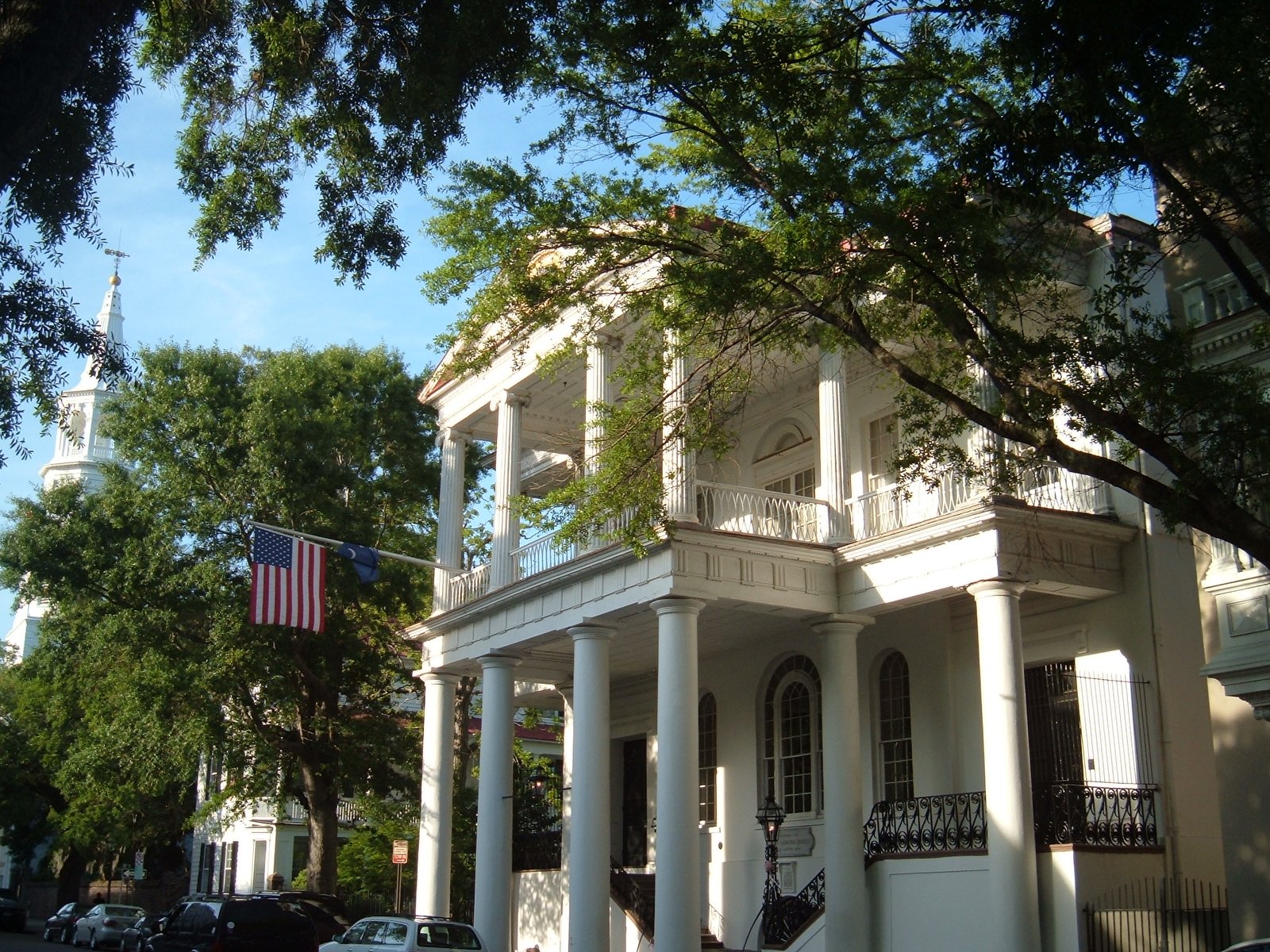
Charleston, South Carolina blends three centuries of history with a thoroughly modern food scene and the kind of coastal scenery that invites you to slow down. Between the pastel townhouses of Rainbow Row, live oaks draped in Spanish moss, and barrier-island beaches, the Holy City rewards travelers who like to wander, taste, and linger.
This guide is built to help American leisure travelers plan a smart, satisfying trip—what to see first, where to eat, how to divide your time between cobblestoned streets and sandy shores, and which neighborhoods make the best base. You’ll also find practical tips on packing for the heat and navigating seasonal crowds. Always confirm current availability, hours, and policies before you go.
Why visit
Charleston’s appeal is layered: preserved architecture and poignant historic sites; a marquee dining scene centered on Lowcountry ingredients; easy access to beaches such as Folly Beach, Sullivan’s Island, and Isle of Palms; and a calendar of festivals that spans food, arts, and culture. The compact historic district is highly walkable, yet you’re minutes from salt marshes, dolphin-filled waterways, and breezy seafood shacks.
Top things to do and signature experiences
Stroll the Historic District
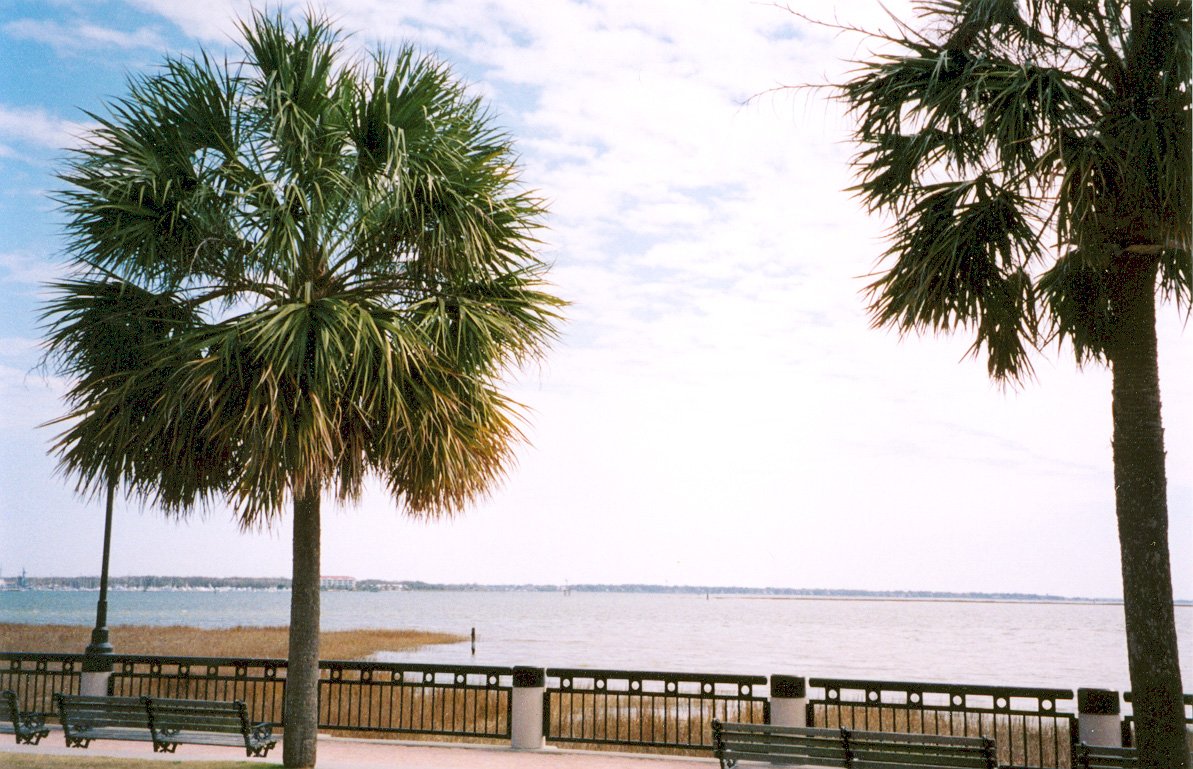
Start with a self-guided walk through the French Quarter and South of Broad. Don’t miss Rainbow Row, the Battery promenade along Charleston Harbor, and Waterfront Park’s Pineapple Fountain. A guided history or architecture tour adds context you might otherwise miss.
Explore house museums and gardens
Visit landmark homes such as the Aiken-Rhett House or the Nathaniel Russell House to see period architecture and hear the stories of everyone who lived and labored there. Outside downtown, plan time for a historic plantation site such as Magnolia Plantation & Gardens or Middleton Place; seek out tours that address the experiences of the enslaved and the Gullah Geechee community.
Take the Fort Sumter ferry
Boat across the harbor to Fort Sumter, where the first shots of the Civil War were fired. You’ll get harbor views, sea breezes, and perspective on a defining chapter of American history.
Make it a beach day
Choose your vibe: Sullivan’s Island for a low-key shoreline and charming village; Isle of Palms for family-friendly sands and amenities; or Folly Beach for surf, sunset, and casual seafood joints. Pack sun protection and plan for afternoon pop-up storms in summer.
Patriots Point and the Ravenel Bridge
Cross the Arthur Ravenel Jr. Bridge to Mount Pleasant for the Patriots Point Naval & Maritime Museum (USS Yorktown). Walk or bike a portion of the bridge for sweeping views of the harbor and city skyline.
Get on the water
Book a harbor cruise, a kayak trip through the marsh, or a sunset sail. If you prefer wildlife, the Shem Creek boardwalk in Mount Pleasant is a reliable place to spot dolphins along the tidal creek.
Art, culture, and family stops
The Gibbes Museum of Art, the South Carolina Aquarium, and seasonal festivals such as Spoleto Festival USA (late spring) round out a trip, especially for families or culture-seekers. Always verify dates and ticketing in advance.
Best neighborhoods and nearby areas
French Quarter & South of Broad
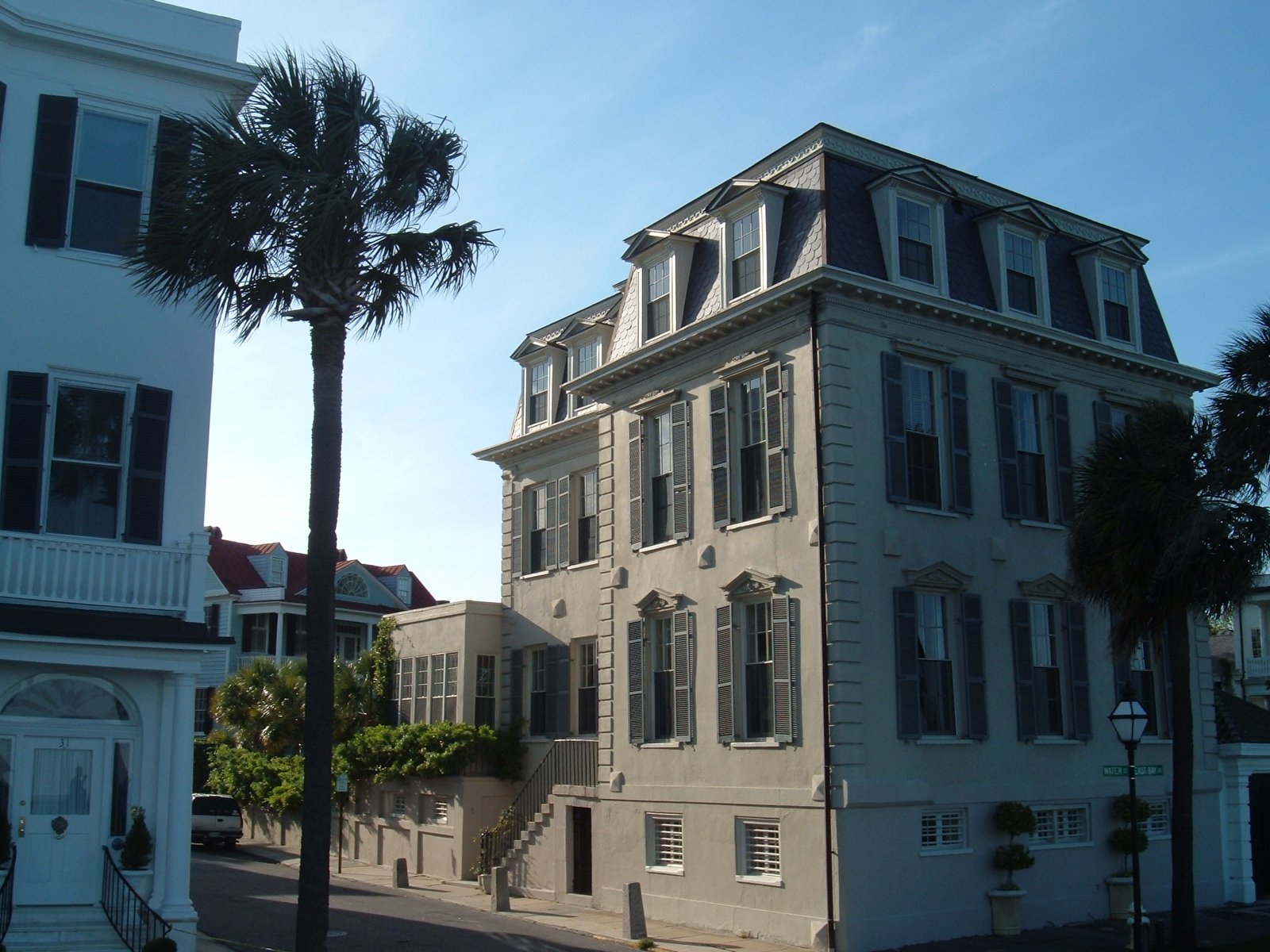
Charleston’s postcard core—cobblestones, church steeples, intimate inns, and carriage ways. Ideal for first-time visitors who want to walk to everything.
King Street/Upper King
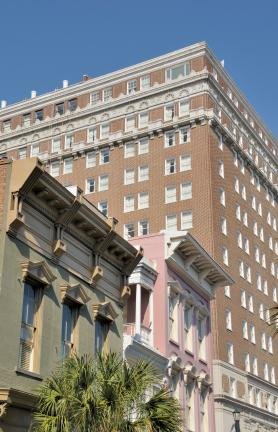
Shopping, buzzy restaurants, and lively evenings. You’ll find stylish boutique hotels and easy access to dining and nightlife.
Ansonborough & East Bay
Quiet residential blocks between the market and the harbor. Great for travelers who want central, walkable streets without late-night noise.
Mount Pleasant & Shem Creek
Across the bridge, you’ll trade cobblestones for docks and dolphins. Good for families who want a little more space and easy parking, with quick access to the beaches.
Folly Beach, Sullivan’s Island, and Isle of Palms
Charleston’s barrier islands make a perfect add-on or home base for a beach-first vacation. Expect a laid-back pace, casual seafood, and salty breezes—plus an easy day trip into the city.
Where to eat: Lowcountry flavors
Charleston’s dining scene is one of the country’s best, built on shrimp, oysters, rice, and seasonal produce. Look for she-crab soup, shrimp and grits, Hoppin’ John, oysters roasted or raw, and benne seed wafers. For a snapshot of the scene, book a reservation at a celebrated restaurant downtown, then balance it with a casual seafood platter in the islands.
Ideas to get you started: inventive Southern tasting menus and fine dining downtown; raw bars and seafood halls in restored bank buildings; wood-smoked whole-hog barbecue from acclaimed pitmasters; biscuits and breakfast counters for early starts; and sunset seafood shacks near the beach. Popular venues book up quickly, especially on weekends—reserve ahead.
Where to stay
Top Hotels to Consider
A mix of well-located resorts, hotels, and stays suited to different travel styles and priorities.





Find your stay in Charleston
Compare locations, guest reviews, and current availability.
Affiliate link • No additional cost to you
Prefer a place all to yourself?
Explore private homes, apartments, and vacation rentals suited to different group sizes and travel styles.


Find a place of your own in Charleston
Compare private homes, apartments, and vacation rentals for your trip.
Affiliate link • No additional cost to you
Choosing your base
First-timers who want to walk to major sights should stay in the Historic District (French Quarter, South of Broad, Ansonborough). Food-focused travelers and weekenders might prefer Upper King for stylish boutique hotels and nightlife. Families often split time between downtown and the beaches. If you’re planning multiple beach days, consider a vacation rental on Folly Beach, Sullivan’s Island, or Isle of Palms and day-trip into the city.
Hotels deliver full-service amenities and easy logistics; vacation rentals offer kitchens and space for groups. For summer stays and festival weeks, book well in advance and always confirm current parking rules, cancellation policies, and any city permitting requirements for short-term rentals.
What to pack: Charleston travel essentials
Useful Travel Gear
Disclosure: Canyon Ray & Co. may earn a commission from qualifying purchases at no additional cost to you.


Charleston’s climate is humid subtropical—hot summers, mild winters, and sudden summer showers. Pack for sun, heat, and lots of walking on uneven brick and cobblestones.
- Wide-brim sun hat: Shade matters when you’re touring midday or relaxing on the beach.
- Reef-safe mineral sunscreen (SPF 30+): Protect your skin and the waterways; you’ll use it downtown and on boat or beach days.
- Packable rain jacket: Afternoon thunderstorms pop up, especially from late spring through early fall; a light, compressible shell beats a heavy coat.
- Supportive walking shoes: Cobblestones and long days on your feet call for cushioning and grip—save dress shoes for dinner.
- Mosquito repellent wipes: Evenings by the marsh (Shem Creek, plantations, barrier islands) can be buggy.
- Cooling towel: A compact, quick-cool towel is a small lifesaver on steamy afternoons.
- Compact travel umbrella: Handy for summer downpours and winter drizzles.
Practical 3-day itinerary
Day 1: Historic core and harbor
Morning: Coffee and a biscuit near King Street, then a walking circuit of the French Quarter, Rainbow Row, the Battery, and Waterfront Park. Pop into the Charleston City Market for crafts.
Afternoon: House museum tour (Aiken-Rhett or Nathaniel Russell) and art stops along Meeting and Broad Streets. Break for a late lunch—fried chicken sandwiches, raw oysters, or shrimp and grits.
Evening: Sunset harbor cruise or cocktail with a view. Dinner downtown; reserve in advance for marquee restaurants.
Day 2: Fort Sumter and Mount Pleasant
Morning: Ferry to Fort Sumter. On return, ride or rideshare across the Ravenel Bridge to Mount Pleasant for lunch on Shem Creek.
Afternoon: Patriots Point (USS Yorktown) or a kayak tour through the marsh. Stroll the Old Village for classic Lowcountry scenery.
Evening: Back downtown for a progressive dinner—start with raw bar, move to a small-plates spot, and finish with something sweet on King Street.
Day 3: Garden paths or beach towns
Option A (Gardens & history): Head to Magnolia Plantation & Gardens or Middleton Place; allow time for interpretive exhibits and shaded garden walks.
Option B (Beach day): Pick Folly Beach for a surfy vibe, Sullivan’s for serene sands and a lighthouse backdrop, or Isle of Palms for broad beaches and family amenities. Sunset seafood on the islands before returning to town.
Best time to visit
Spring (March–May) brings azaleas, mild temperatures, and major events; it’s also the most popular season, so book early. Fall (September–November) offers warm days, pleasant evenings, and fewer crowds after early fall. Summer (June–August) is hot and humid with frequent afternoon storms; plan early starts, midday breaks, and beach time. Winter (December–February) is generally mild, with lower hotel rates and cozy restaurant scenes. Hurricane season peaks late summer into fall—monitor forecasts and consider flexible bookings.
Getting around
The Historic District is pedestrian-friendly; expect brick sidewalks and occasional uneven paving. Rideshares and taxis are plentiful. The free DASH shuttle (CARTA) loops through downtown; check route maps and schedules before you rely on it. Parking garages dot the core, but overnight hotel parking can be limited—confirm rates and policies with your property. For cross-bridge trips or beach days, a rental car is convenient. Water taxis and harbor tours add a scenic layer to getting around.
Common mistakes and local considerations
- Underestimating the heat: In warm months, plan early sightseeing and shaded breaks; hydrate often.
- Skipping reservations: Prime restaurants and tours sell out—book ahead, especially weekends and holidays.
- Wearing slick-soled shoes: Cobblestones, bricks, and occasional rain make grippy, supportive footwear essential.
- Rushing the islands: Build in at least a half-day for Folly, Sullivan’s, or Isle of Palms instead of a drive-by.
- Ignoring context at historic sites: Seek interpretation that addresses the full history, including the lives of the enslaved and Gullah Geechee heritage.
- Parking surprises: Read street signs carefully and confirm hotel or rental parking details in advance.
FAQ
How many days do I need in Charleston?
Three days cover the historic core, a harbor or museum day, and a beach or garden day. Add a fourth or fifth day to taste more of the dining scene and explore multiple islands.
Is Charleston family-friendly?
Yes. The aquarium, spacious beaches, and interactive historic sites work well for families. Book early for larger rooms or vacation rentals, and plan midday breaks in summer.
Which beach is best for first-timers?
Folly Beach for a casual surf vibe and sunset pier views; Sullivan’s Island for tranquil sands and a charming village; Isle of Palms for family amenities and broad, walkable beaches.
Do I need a car?
You can go car-free downtown with walking, shuttles, and rideshares. A car helps for plantations, Mount Pleasant, and the barrier islands; consider renting for beach days only.
What should I wear out at night?
Charleston trends smart-casual. Lightweight dresses, polos, and breathable fabrics are the norm. Pack one elevated outfit if you’re dining at a white-tablecloth spot.
Are short-term rentals legal in the city?
Regulations vary by neighborhood and island, and they change over time. Book reputable, permitted properties and confirm rules, fees, and parking with the property manager.
Ready to plan your Charleston, South Carolina trip?
Compare current availability, locations, guest reviews, and booking options before choosing your stay.
✓ Read guest reviews
✓ Check current availability
Browse Charleston, South Carolina stays on Expedia
Affiliate link • No additional cost to you
Conclusion
Charleston rewards unhurried travel: a morning on cobblestones, an afternoon among oaks or on the sand, and an evening lingering over Lowcountry flavors. Choose a walkable base, build in beach or garden time, and pack for sun and quick summer showers. With a little planning—and a lot of appetite—you’ll discover why the Holy City keeps travelers coming back.