

City breaks move fast: flights land late, restaurants book up, and a single wrong turn can send your budget or schedule sideways. The same is true for hotels. A tempting photo and a low nightly rate can disguise long transit times, surprise fees, or a room layout that doesn’t fit how you actually travel.
This guide distills the most common hotel booking mistakes in urban trips—and how to avoid them. Use it before you search, while you compare, and again just before you confirm. You’ll sleep better, spend smarter, and step out the door closer to the things you came to see.
Why book smarter for city travel
Urban destinations compress a lot of experiences into tight geography. That’s great—until you discover your hotel sits across a river with few bridges, or that rideshares surge at your show’s end time, or that your “deal” requires a 45-minute bus to the main sights. Booking smarter means matching your hotel to your plans, not the other way around.
Think of each choice—location, transportation, room type, and rate policies—as a lever. Get all four aligned and your days become walkable, your nights quiet, and your budget predictable.
Top things to do and signature experiences (and how they shape your stay)
Make a quick short list of the experiences that define your trip: a marquee museum, a food hall, a stadium game, a skyline lookout, a historic district, a live show. Drop them into a map and note clusters. Your ideal hotel sits within or near the densest cluster you’ll visit most often. If you’re split between two clusters, look for a hotel along a direct transit line between them rather than exactly in the middle—it often saves time.
- Day vs. night hubs: A financial district can feel convenient by day but empty at night. If evening dining and shows matter, bias toward neighborhoods with restaurants and late transit.
- Morning anchors: If you’re meeting tours early, staying near their departure point reduces morning stress.
- One big outlier: Don’t let a single far-flung attraction dictate your entire stay. Plan that outlier for one dedicated day rather than centering your hotel around it.
Best neighborhoods and local areas: how to choose the right base
Every city has a few common lodging zones. Here’s how to evaluate them without guesswork:
Core cultural or historic center
Best for first-timers who want to walk to landmarks. Expect livelier streets and potential noise. Read recent reviews for weekend nightlife and festival notes if you’re sensitive to sound.
Transit crossroads
Areas near major subway or rail interchanges function like time machines—especially when attractions spread out. Favor properties within a 5–7 minute walk of a single, frequent line, not a tangle of rarely used lines.
Dining districts
Superb for food-focused trips and late dinners. Watch for valet-only parking, pedestrian streets (great for ambiance, tricky for pickups), and restaurant closing times if you rely on room service substitutes.
Waterfronts and event zones
Great views and easy access to venues. Check for event-night surcharges and street closures, and confirm walking routes after dark.
Business districts
Weekends can be quiet (sometimes cheaper). Verify what’s open nearby on Saturdays/Sundays and whether on-site dining runs limited hours outside business days.

Where to eat or local food to try (and why location matters)
Booking close to breakfast solves more than hunger—it buys time. Hotels with walkable coffee and bakery options reduce your morning logistics. For dinner, aim for a neighborhood with multiple cuisines on the same blocks; it hedges against long waits or last-minute plan changes.
- Breakfast buffer: If your hotel doesn’t include breakfast, confirm early-opening cafes within a 5–10 minute walk.
- Reservations vs. spontaneity: Popular urban restaurants often require bookings; staying nearby makes early or late seatings feasible.
- Late-night bites: Scan a map for kitchens open after shows or games if that’s part of your plan.
Where to stay: a no-surprises booking checklist
Use this step-by-step flow to compare hotels like a pro. You can start your search on a major online travel agency to compare options side-by-side, then verify details directly with the property before you lock in. Always confirm current availability, rules, costs, and schedules—policies can change.
1) Map first, photos second
- Plot your must-dos, then toggle walking and transit layers. Favor hotels inside your activity triangle, not just near a city-center pin.
- Check the walk from the nearest transit stop. A short distance on a steep hill, over a bridge, or through a deserted industrial block feels longer at night.
2) Read the room (type) details
- Verify bed configuration (king vs. two doubles), actual capacity, and whether sofas are sleepers or decorative.
- Confirm square footage and layout if you’re sharing space or working from the room.
- Look for soundproofing clues (double glazing, interior-courtyard rooms) if you’re near nightlife or transit lines.
3) Decode the rate and fees
- Identify mandatory resort/destination fees, service charges, and parking costs. Add them to the nightly total so you’re comparing apples to apples.
- Check cancellation windows and whether you’re charged up front or at check-in. Flexible rates buy options during uncertain plans.
- Note incidental holds at check-in; they temporarily reduce your card’s available credit.
4) Scan recency in reviews
- Sort by newest first to spot ongoing renovations, elevator issues, or neighborhood construction.
- Ignore extremes and look for patterns over the last 3–6 months.
5) Confirm essentials with the property
- Policies that matter: cribs/rollaways, connecting rooms, late check-in after events, early breakfast hours, luggage storage, and ADA accessibility.
- Ask about housekeeping frequency and on-site dining hours, which often vary by day of week.
6) Time your payment
- If booking far in advance, consider a flexible rate you can revisit as the trip nears. Re-check rates periodically; if a lower flexible rate appears, rebook before your cancellation deadline.
What to pack for city hotels
Useful Travel Gear
Disclosure: Canyon Ray & Co. may earn a commission from qualifying purchases at no additional cost to you.
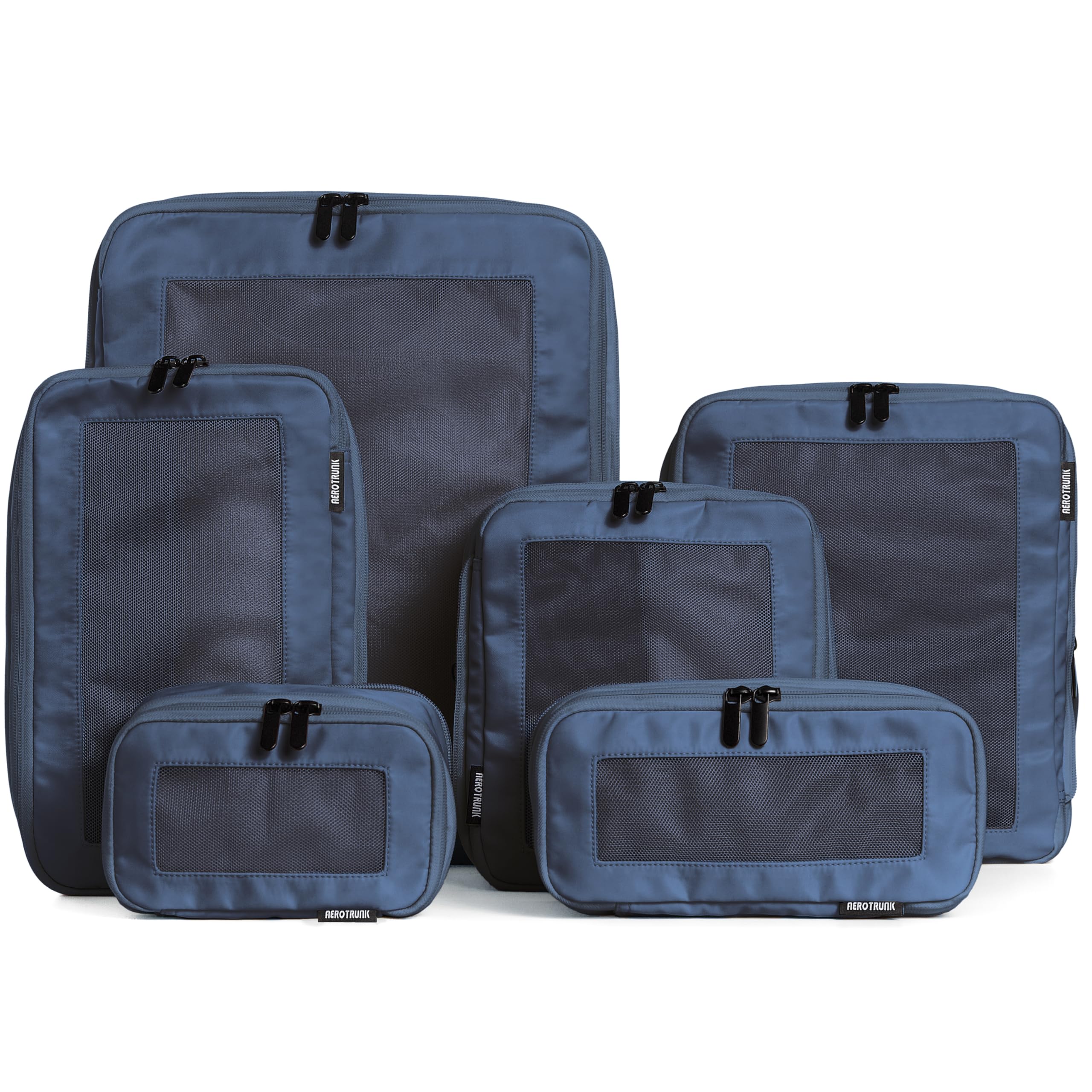
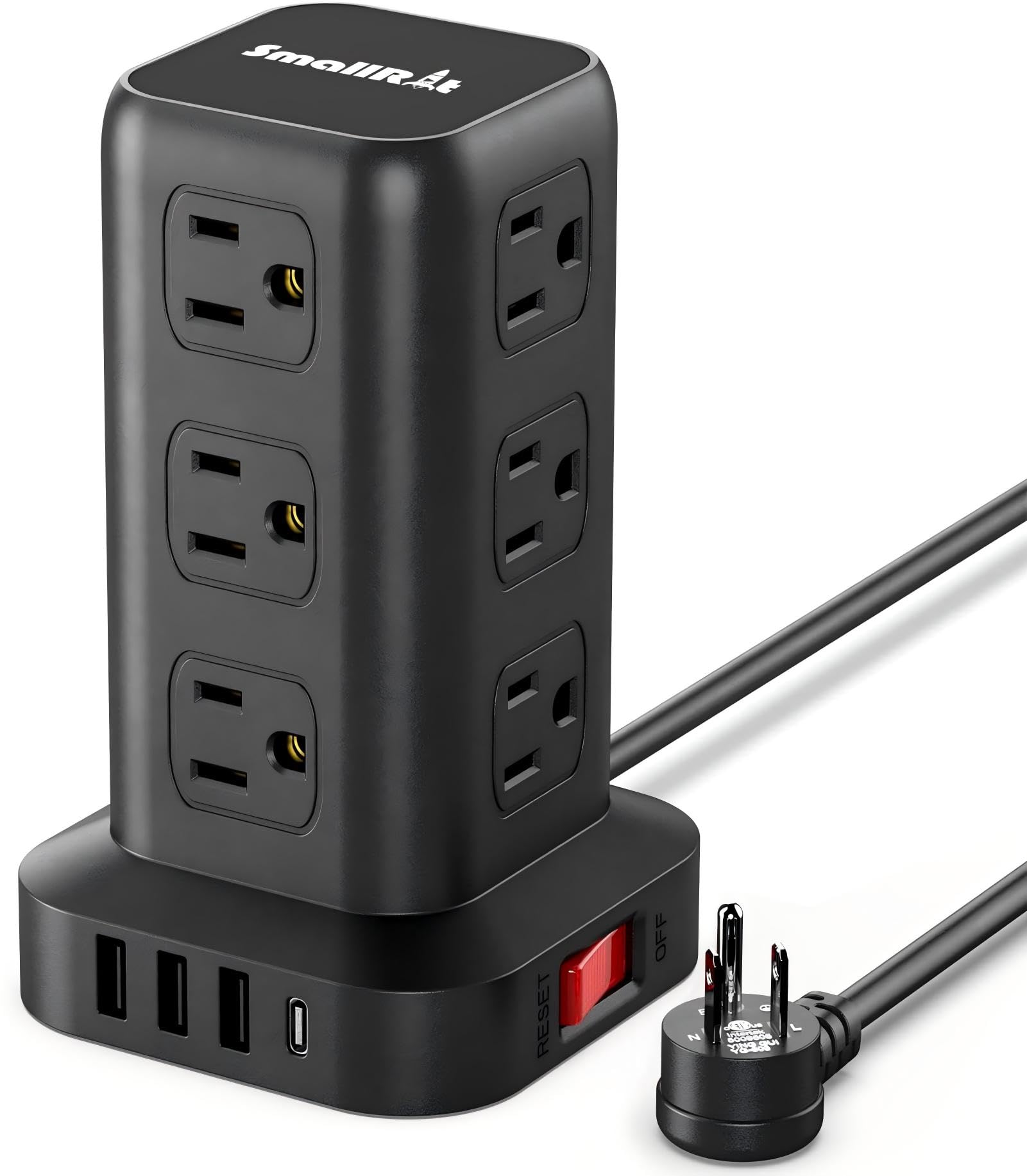


These compact essentials prevent common hotel headaches and keep your room functional without overpacking.
- Packing cubes set: Divide outfits by day or activity so you can unpack fast in a smaller city room and repack in seconds.
- Travel power strip with USB: Many urban rooms hide outlets or offer only one free socket. A short cord plus multiple USB ports solves the nightly charging scramble. Avoid surge-protected models if a property prohibits them; confirm hotel policies when in doubt.
- Compact travel umbrella (windproof): Sudden showers are common in many cities. A sturdy, small umbrella lives in your day bag and saves your shoes en route to dinner.
- Portable door lock for travel: Adds a simple extra layer of peace of mind in unfamiliar rooms. Practice at home so you know how it engages.
- Luggage scale (digital): City trips tempt souvenir shopping. Weigh bags before returning to the airport to avoid counter repacks.
- Travel white noise machine: Urban soundscapes can hum late. A palm-size unit masks hallway chatter and street noise better than a phone app.
- Universal travel adapter: If your city trip is international, a compact adapter keeps cameras, phones, and laptops topped up without hunting specific plug types.
Practical itinerary: a flexible 3-day city framework
Use this template to reduce backtracking, keep energy high, and make the most of daylight.
Day 1: Arrive and orient
- Choose a flight or train that lands with enough buffer for check-in. If you’re early, ask about luggage storage.
- Walk your immediate blocks: find your closest transit stop, a coffee spot, and a late-night bite for your first evening.
- Plan a light activity near the hotel to match your energy—river walk, neighborhood market, or skyline lookout.
Day 2: Core sights and a signature meal
- Stack the day’s highlights in one area to minimize transfers.
- Book a signature lunch or dinner you’ll remember, and build the day around it.
- Leave one hour unscheduled to wander a street of independent shops or a local park.
Day 3: Second cluster and departure
- Hit the second attraction cluster you mapped at the start.
- Keep the afternoon within easy reach of your hotel to retrieve bags without stress.
- Confirm your route and timing to the airport or station—then relax into a final snack or view.

Best time to visit (and book)
Urban calendars swing with conventions, festivals, and school breaks. For many cities, shoulder periods—often spring and fall—balance pleasant weather with manageable crowds. Midweek stays can be less expensive than weekends in leisure-driven cities, while business districts may flip that pattern. Always scan an events calendar for your dates; a single marathon or conference can reshape rates and availability across town.
Booking windows vary by destination and season. If plans are firm and a flexible rate isn’t costly, secure your first-choice neighborhood early, then watch for improvements until your cancellation deadline.
Getting around without surprises
- Transit: If you’ll use subways or buses daily, choose a hotel near a frequent line and download offline maps. Check last-train times for late events.
- Rideshare and taxis: Verify hotel pickup locations; some streets restrict stopping. Surge pricing often follows event end times and heavy rain.
- Parking: Downtown parking can be limited or valet-only. If you must drive, compare hotel parking cost and in/out privileges with nearby public garages, and confirm operating hours.
- Walking: Sidewalk quality and hills matter. Street views help judge lighting and foot traffic along your nightly route.
Common mistakes and local considerations
- Chasing a low rate far from your plans: The savings evaporate in rideshares, time, and fatigue. Map first.
- Assuming a photo equals reality: Verify room type, size, and bed count—not just decor.
- Forgetting fees: Destination fees, parking, and pet charges can exceed a nightly discount. Tally the true total.
- Skipping policy checks: Late check-in, breakfast hours, luggage storage, and housekeeping frequency vary. Confirm directly with the property.
- Overlooking noise: Read recent reviews for construction, club nights, or stadium event spillover. Request a quiet room location when booking.
- Not planning the airport transfer: A great hotel can become a hassle if your flight arrives after transit shuts down. Pre-plan late-night options.
- Using the wrong card for holds: Incidental deposits can tie up funds on debit cards. A credit card is usually smoother; verify hold amounts.

FAQ
How close should I stay to the city center?
Prioritize staying close to the places you’ll visit most, which may or may not be the geographic center. If your highlights cluster, sleep inside that zone. If they’re split, base near a frequent transit line connecting both.
Is it better to book a refundable rate?
If your plans are fluid or rates tend to change, a flexible rate can be worth it. Set a reminder before the cancellation deadline to re-check prices or adjust dates if needed.
How do I avoid surprise fees at urban hotels?
Read the fine print for mandatory destination or resort fees, parking charges, and pet policies. Add them to your nightly total. When in doubt, call or email the property to confirm the latest policies before booking.
What room location should I request in busy areas?
Ask for higher floors away from elevators, ice machines, and nightlife-facing streets. Interior-courtyard rooms can be quieter; blackout shades and white noise help too.
Should I book near the main train station?
It’s convenient for arrivals and day trips, but evaluate the immediate blocks, late-night feel, and dining choices. Sometimes a short hop on a frequent line to a livelier neighborhood is the better compromise.
What if I arrive before check-in?
Many city hotels will store luggage. Pack a small sling with essentials so you can explore comfortably until your room is ready. Always confirm storage hours and any fees.
Ready to plan your City Travel trip?
Compare current availability, locations, guest reviews, and booking options before choosing your stay.
Browse City Travel stays on Expedia
Affiliate link • No additional cost to you
Conclusion
Smart city stays begin on the map and end with clear policies. Choose a neighborhood aligned with your plans, verify room specifics, account for every fee, and think through your daily movement. Add a few compact essentials to your bag and you’ll spend your time sampling the city—not wrestling with logistics. Confirm the latest availability, rules, costs, and schedules before you book, and enjoy a smoother urban escape.