

Long-haul days can be the most demanding part of international travel. Between early alarms, airport lines, tight connections, recycled cabin air, and a body clock that is stubbornly set to home time, even the best itinerary can leave you frayed. The good news is that a few deliberate choices turn those same hours into something manageable, even productive.
Use this step-by-step guide to plan, pack, and pace yourself from door to door. It covers what to do before you book, how to move smarter in airports, the onboard habits that actually help, and the recovery tactics that let you hit the ground ready to explore.
Why plan for long-haul international travel days
Travel days compress dozens of decisions into a narrow window. Planning them with the same care you give to sightseeing pays off in fewer surprises and more energy on arrival. Thoughtful seat selection reduces fatigue, the right packing list keeps your essentials at hand, and a simple onboard routine steadies your body clock. You will not control weather, delays, or the occasional missed connection, but you can control your preparation and your pace.
Pre-flight prep: build a smarter itinerary
Pick connection windows that protect your trip
For intercontinental routes, aim for generous connection times, especially when changing terminals or airlines. If you must connect on the first leg of an international trip, choose layovers that fall during waking hours at your origin to avoid compounding fatigue. When possible, keep transits on one ticket to simplify rebooking if delays cascade.
Choose flight times that match your body clock
Red-eyes work well when they depart late evening and arrive mid to late morning, giving you a natural sleep window. Daytime eastbound flights can help some travelers by avoiding awkward partial sleep; you land tired but less jet lagged and can sleep at a normal local bedtime. Westbound, daytime departures are often easier on circadian rhythm because you are asked to stay awake, not sleep on command.
Seat selection that matters
For sleep, windows win. You control the shade and have a wall to lean on. Aisles are best for frequent movement and hydration breaks. Avoid the last row if seats do not recline and be wary of bulkheads if you need under-seat storage during taxi and takeoff. On very long flights, exit rows may offer legroom but can run cold; pack layers.
Check-in, documents, and backups
Download your airline app, verify passport validity and entry rules, and secure any required visas or transit permissions well in advance. Store digital and paper copies of essentials in separate places. If a tight connection is unavoidable, set up push alerts for gate changes. Keep a small pen for forms and a spare payment card in a different pocket or pouch.
At the airport: move efficiently, save energy
Time your arrival
International departures typically require arriving earlier than domestic flights, but aim to arrive rested rather than dramatically early. If your home airport offers trustworthy wait-time data, check it the night before and again en route. When in doubt, give yourself an extra 20 to 30 minutes and use that buffer to stretch or hydrate airside, not to stand landside worrying.
Security and passport control
Place your liquids and electronics where they are easy to reach, and wear slip-on shoes. Empty your water bottle before screening and refill afterward. Keep boarding passes and passports in the same pocket every time so you build muscle memory and do not fumble at checkpoints.
Pre-board routine
Stretch calves and hips, then set your phone to local arrival time so you can start adapting mentally. Use the restroom before boarding and refill water. If you are prone to motion sickness, choose a seat over the wing and look for stable visual references during taxi and climb.
In the air: a comfort-first routine
The first 30 minutes
Sanitize touch points, set your watch or phone to destination time, and arrange your seat pocket with only what you will need for the first hours: headphones, a sleep mask, a layer, lip balm, and water. Place your power bank and charging cable within reach so you are not digging around when outlets are awkward.
Hydration and caffeine
Cabin humidity is far lower than typical indoor environments. Aim to sip water regularly and moderate caffeine until the last third of the flight, when a small coffee or tea can help nudge you toward your target time zone without causing midflight jitters.
Movement and circulation
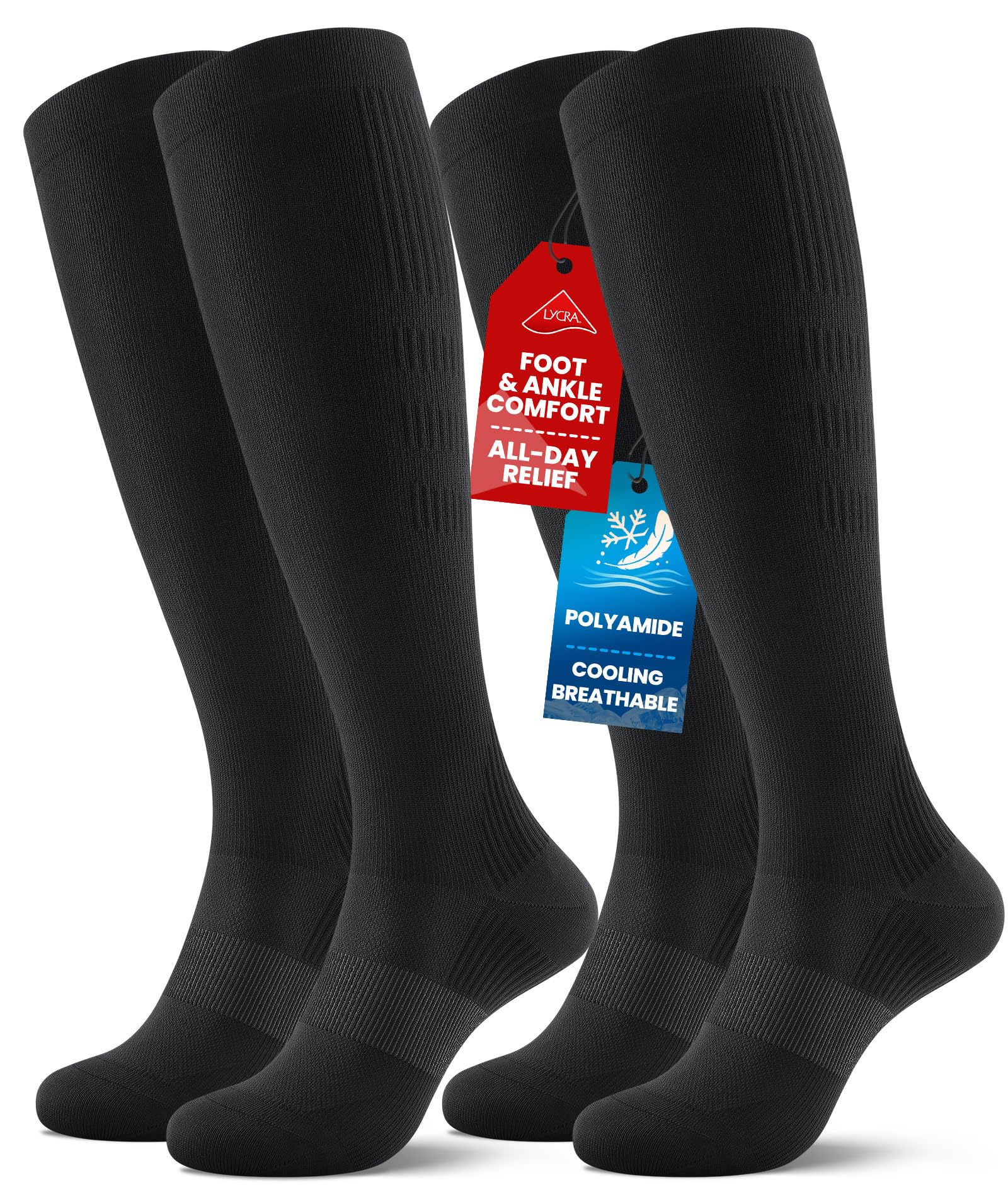
Stand, roll your ankles, flex your calves, and walk the aisle lightly every hour or two when the seatbelt sign is off. Compression socks can reduce swelling and keep legs fresher on arrival.
Sleep strategy
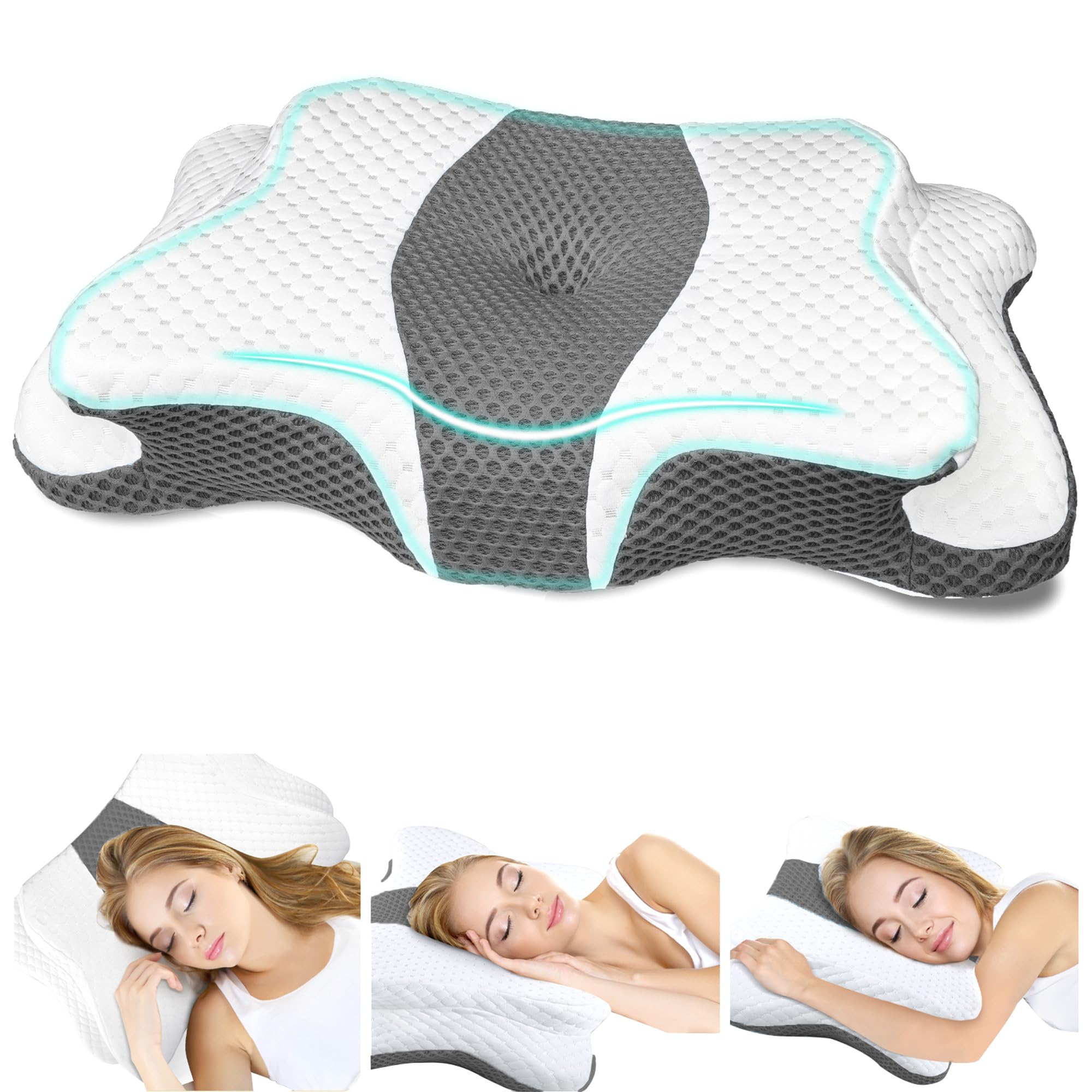
For overnight flights, build a short wind-down: adjust air nozzle to keep fresh air moving, dim your screen, cue relaxing audio, and use a supportive travel pillow plus a sleep mask to block cabin light. Aim for one to two consolidated sleep cycles rather than fighting for a full night’s sleep in an economy seat.
Food and timing
Eat lightly and on destination time when possible. Heavier meals close to your intended sleep window can make rest more difficult. Pack a small, dry, protein-forward snack to bridge long gaps and avoid arriving depleted.
Entertainment that actually helps
Download a mix of passive and active content in advance. Alternate a quiet film or music playlist with a short language lesson or destination reading. Varied stimulation can keep you alert during daytime flights without exhausting attention.
Connections and unexpected delays
Build a mental plan A, B, and C. If a misconnection happens, rebook first via the airline app while you head to a staffed counter. For longer waits, look for day rooms or in-terminal hotels to refresh between flights; confirm current rules and availability before you book. Consider buying lounge access if it provides quiet space and a shower that materially improves your rest. If an overnight delay arises, weigh transferring to an airport hotel for true sleep versus staying airside for an early morning departure. You can browse options through reputable booking platforms; always confirm visa and re-entry requirements before exiting secure areas.
Best seats and cabin choices on long-haul flights
Premium economy and extra-legroom economy offer meaningful comfort gains on flights over eight hours, especially for taller travelers or those who value a deeper recline without the cost of business class. In standard economy, window seats ahead of the wing are usually quieter, and pairs in the rear on wide-bodies can be comfortable for couples. If you are noise sensitive, sit forward of engines when possible. Confirm aircraft layout on your exact flight and double-check any rows that look unusual on the seat map before finalizing.

Where to eat on travel day and what to choose
Think small and steady. A simple meal with lean protein, complex carbs, and produce a few hours before departure sets a good base. At the airport, opt for balanced options over salty fast food that can amplify dehydration. If you have dietary needs, pack a backup snack so you are not at the mercy of limited inflight choices.
Where to stay during long connections
For planned extended layovers, consider an airport hotel or a property on a rapid transit line for quick access and a quiet room. Day-use accommodations or transit hotels can be ideal for showering and a scheduled nap. Use a trusted booking site to compare locations and transit times, and always verify current check-in rules, day-use windows, and transport schedules before committing.
What to pack for long international flights
Useful Travel Gear
Disclosure: Canyon Ray & Co. may earn a commission from qualifying purchases at no additional cost to you.
Pack less, but pack smarter. These compact items meaningfully improve comfort on long-haul days and are easy to keep within reach under the seat in front of you.
- Compression socks for circulation and reduced leg swelling on flights longer than four hours.
- Memory foam travel pillow that supports chin and side sleeping without forcing your neck forward.
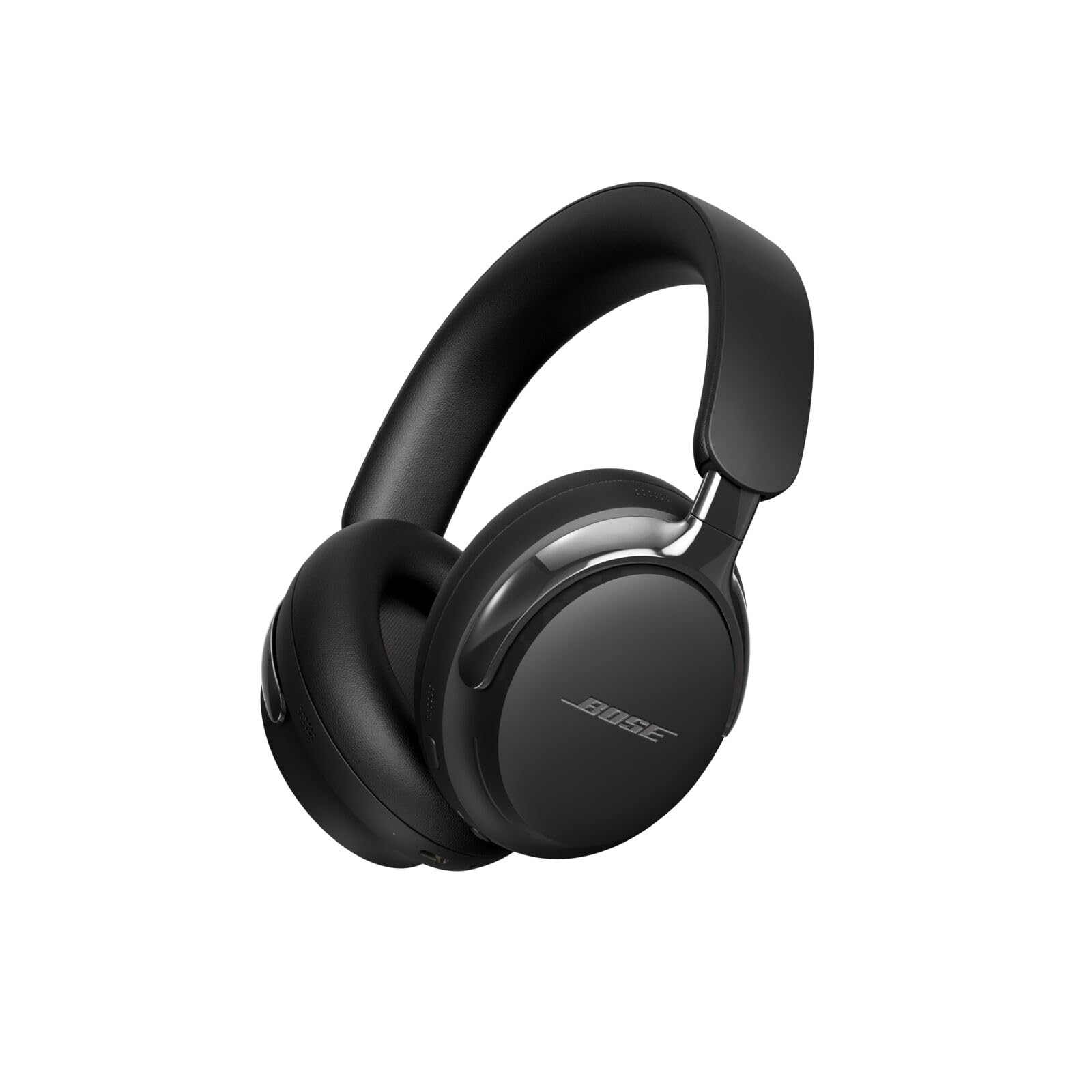
- Noise canceling headphones to cut engine hum and cabin chatter so you can rest or focus.
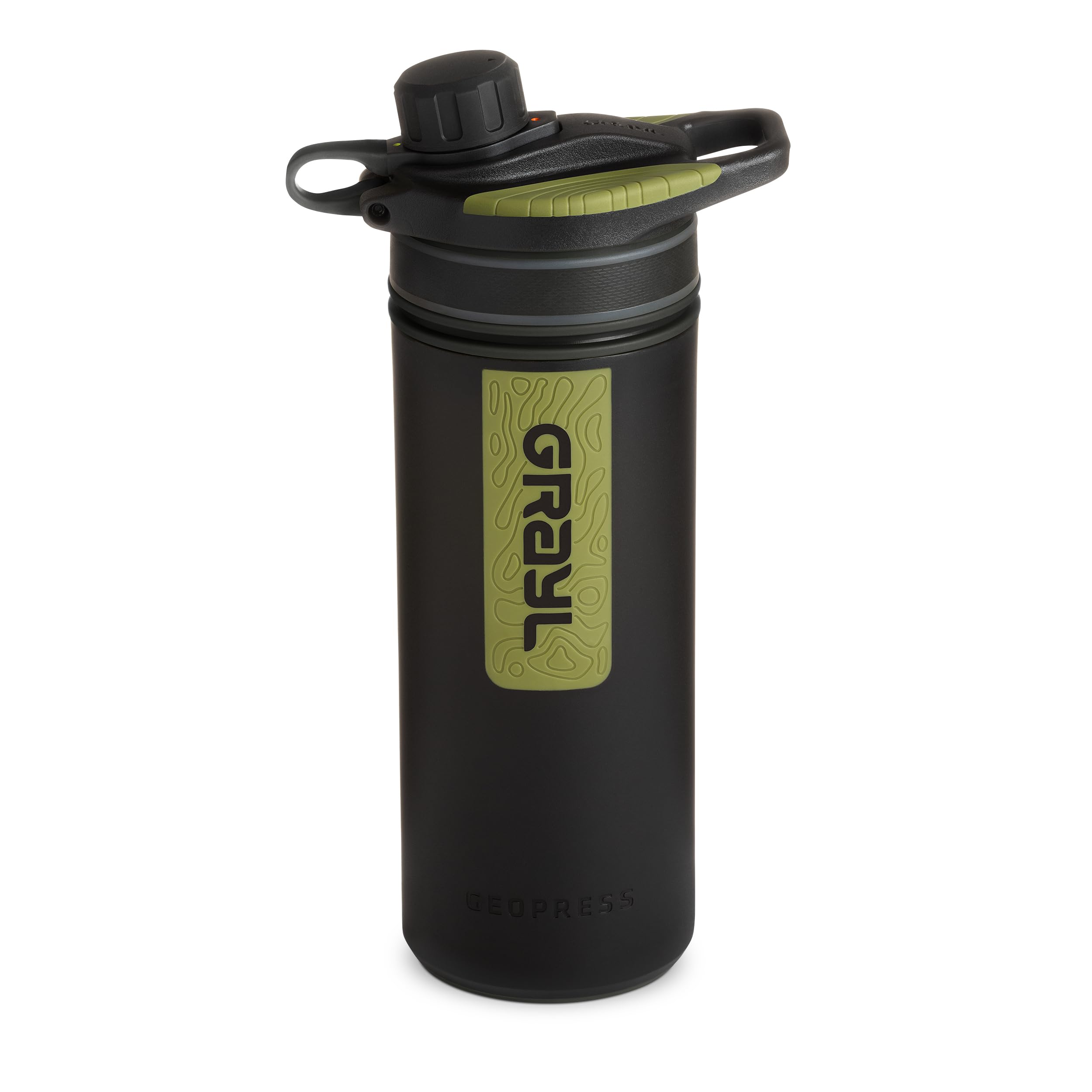
- Filtered water bottle to refill airside and reduce single-use plastic while improving taste onboard.
- Power bank rated around 20,000mAh so your phone, earbuds, and e-reader stay charged through delays.
- Packing cubes to keep your carry-on tidy and make seat-side item retrieval painless.
- Sleep mask with contoured eye cups so it does not press on lashes and blocks ambient light.
- Universal travel adapter with multiple USB or USB-C ports for hotel rooms with limited outlets.
Keep liquids and electronics in an outer pocket of your carry-on for quick removal at security. Place medication, a pen, a spare payment card, and a printed copy of critical reservations in a small pouch that never leaves your person.
Practical itinerary for a long-haul flight day
The day before
Finalize seat selection, download boarding passes and entertainment, and set out your travel outfit. Hydrate well and target a normal bedtime; avoid the temptation to start the day sleep deprived.
Flight day morning or afternoon
Eat a balanced meal, dress in breathable layers, and head to the airport with a measured buffer. Clear security, refill your water, and stretch. If you are aiming to sleep on board, reduce bright screen time during the last hour at the gate.
On board
Set destination time, arrange your essentials, and either build a wind-down window for sleep or a rotation of light activities. Move every hour or two. Moderate caffeine until late in the flight if you plan to nap.
On arrival
Expose yourself to daylight, keep moving, and eat a light, protein-forward meal on local time. If you arrive in the morning, plan gentle outdoor time and a short midafternoon rest of 20 to 30 minutes, then a firm local bedtime. If you arrive at night, head straight to accommodations and keep lights low to cue sleep.
Best time to fly for international travel
Seasonality affects both fares and comfort. Shoulder seasons can mean less crowded airports and a calmer onboard experience. Red-eyes align with eastbound time-zone jumps for many travelers, while daytime flights can be better for those who struggle to sleep on planes. Consider prevailing weather at both origin and destination to reduce disruption risk, and always confirm schedules and connection options before booking.
Getting around at your destination after a long flight
Pre-arrange your first transfer when possible so you are not negotiating rides after an overnight flight. Public transit can be efficient in many international hubs; verify operating hours that match your arrival. If you will drive, plan for jet lag by avoiding long rural night drives on day one. Choose accommodations with easy access to food and transit for your first night to lower friction.
Common mistakes and how to avoid them
- Packing too much in the personal item. Keep only what you will use in the first six hours within arm’s reach.
- Underestimating connection times during terminal changes. Build extra buffer when switching airlines or clearing immigration mid-journey.
- Ignoring hydration and movement. Set a subtle hourly reminder to sip water and stretch.
- Forgetting to adjust to destination time early. Change your device clocks at boarding and pace meals and light accordingly.
- Relying on a single power source. Bring a charged power bank and cable in your seat pocket.

FAQ
How early should I arrive for an international flight?
Arrive with enough time to check baggage, clear security, and reach your gate without rushing. Many travelers find two and a half to three hours works, but confirm current guidance with your airline and airport.
Is a red-eye or daytime flight better for jet lag?
It depends on your sleep habits. If you can sleep at cruising altitude, a red-eye can help align you with local morning. If not, a daytime flight may let you land tired but ready for a normal bedtime. Choose based on how easily you sleep on planes.
What should I wear on a long flight?
Breathable layers, soft socks, and shoes you can slip off and on. Add a light scarf or hoodie to adapt to cool cabins, and avoid restrictive waistbands that make long sits uncomfortable.
How do I avoid swollen feet and ankles?
Wear compression socks, hydrate regularly, and move or stretch every hour or two when the seatbelt sign allows. Elevate your feet briefly when possible without disturbing neighbors.
Should I book lounge access for a long layover?
If a lounge offers quiet seating, showers, and reliable food, it can be worth the cost on multi-hour layovers. Compare the cost to your expected benefit and always verify current access rules.
What is the best way to manage sleep on board?
Create a short ritual: dim light, wear a sleep mask, use a supportive pillow, and play gentle audio. Aim for one or two solid sleep cycles rather than fragmented dozing.
Ready to plan your International Travel trip?
Compare current availability, locations, guest reviews, and booking options before choosing your stay.
Browse International Travel stays on Expedia
Affiliate link • No additional cost to you
Conclusion
Long-haul international travel days are marathons, not sprints. A smarter itinerary, well-chosen seat, compact comfort kit, and steady onboard routine do more than reduce stress; they buy back energy for the experiences that brought you across the ocean in the first place. Plan with intention, pack light but clever, confirm current schedules and rules, and give yourself grace on the inevitable curveballs. Discover better by arriving ready to enjoy the very first hour at your destination.