
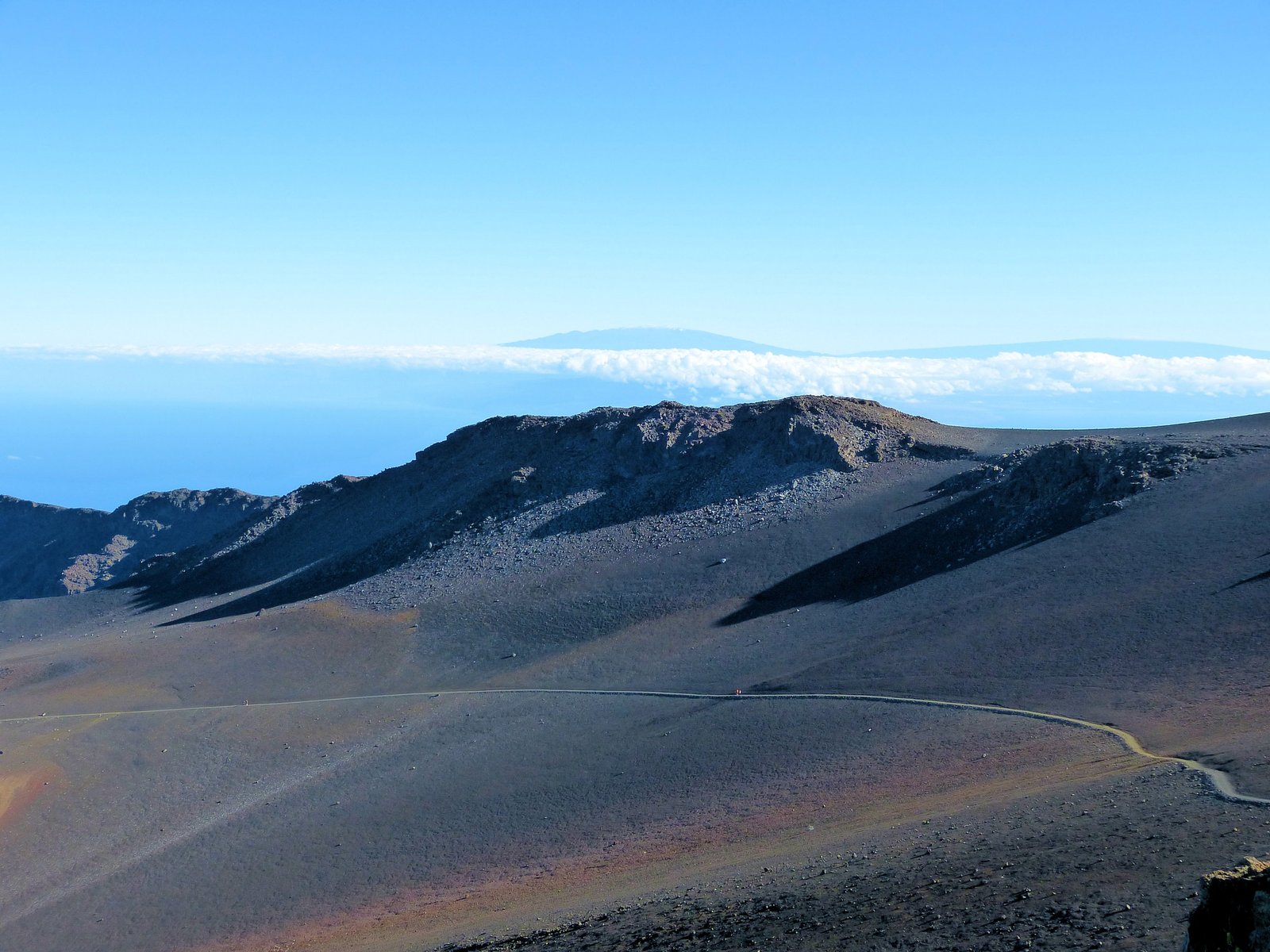
Haleakalā at a Glance
Haleakalā National Park is Maui’s crown: a dormant volcano rising above the clouds with a vast cinder landscape, alpine plants found nowhere else, and night skies that feel close enough to touch. Visitors come for the legendary sunrise, but the park rewards slow travelers—hikers, stargazers, and anyone willing to prepare for quick-changing mountain weather.
This guide focuses on how to plan sunrise or sunset, where to hike in both the Summit and Kīpahulu districts, what to pack for comfort and safety, and where to base yourself on Maui for an easy first visit.
Why Visit
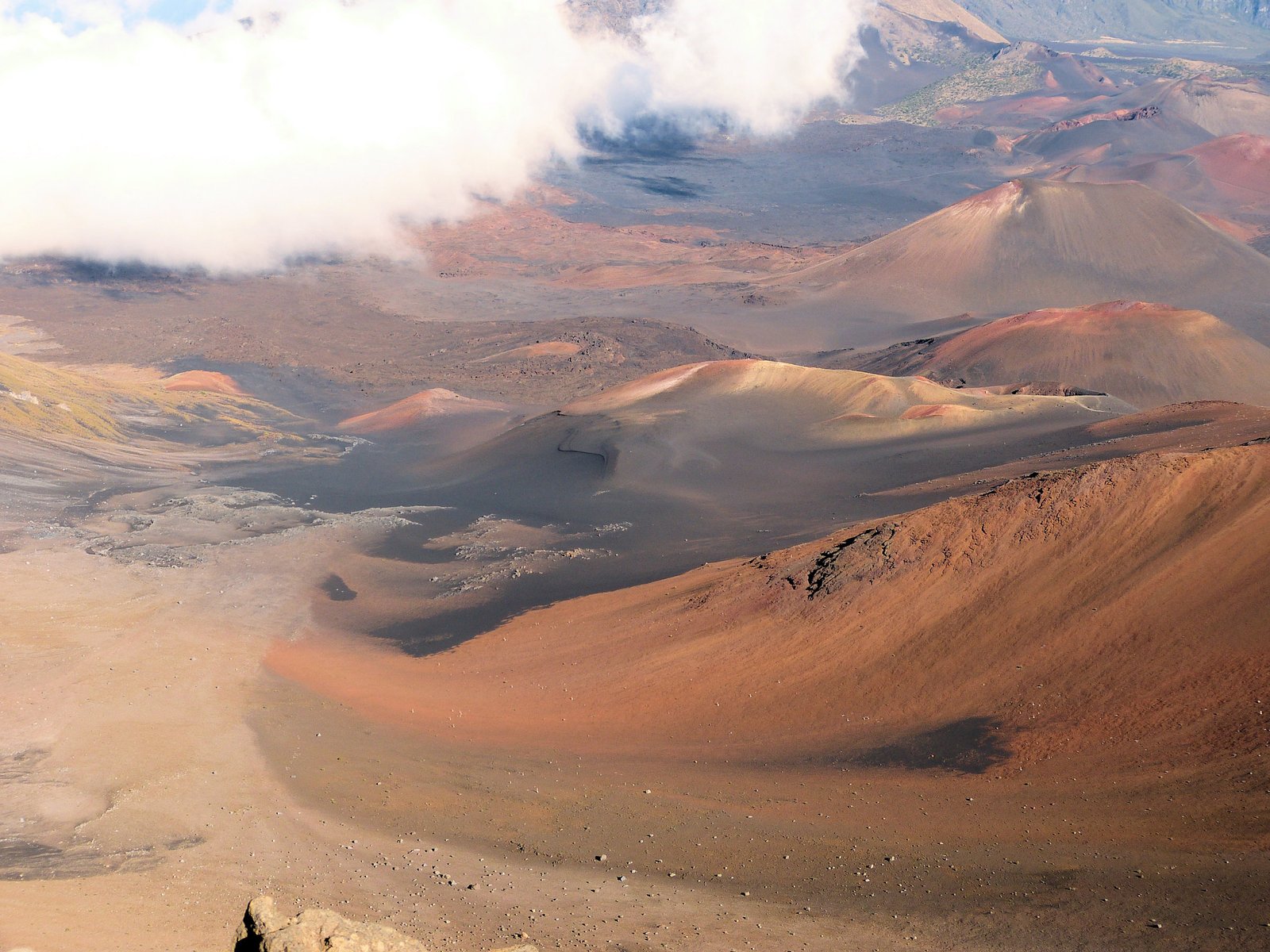
Haleakalā delivers drama at every edge: switchback roads that climb from sea level to thin air; a crater basin carved by erosion and dotted with cinder cones; and native species like the rare silversword. On clear days the views sweep across Maui Nui to the Big Island; on cloudy days you’re floating in a sea of mist. Come for the sunrise if you like, but don’t skip the other golden hours—midday hikes, ethereal sunsets, and star-filled nights can be just as moving and often less crowded.
Top Things to Do and Signature Experiences
Witness Sunrise or Sunset from the Summit
Seeing the first light from the summit is one of Hawaiʻi’s classic experiences. Capacity is limited and a timed entry is typically required for sunrise—make a reservation in advance and bring your confirmation the morning you go. Sunset is an excellent alternative with generally fewer crowds and the same palette of color, followed by exceptional stargazing. In any season, expect cold, windy conditions at the top and plan layers like you would for a winter day.
Hike the Crater: Sliding Sands and Beyond
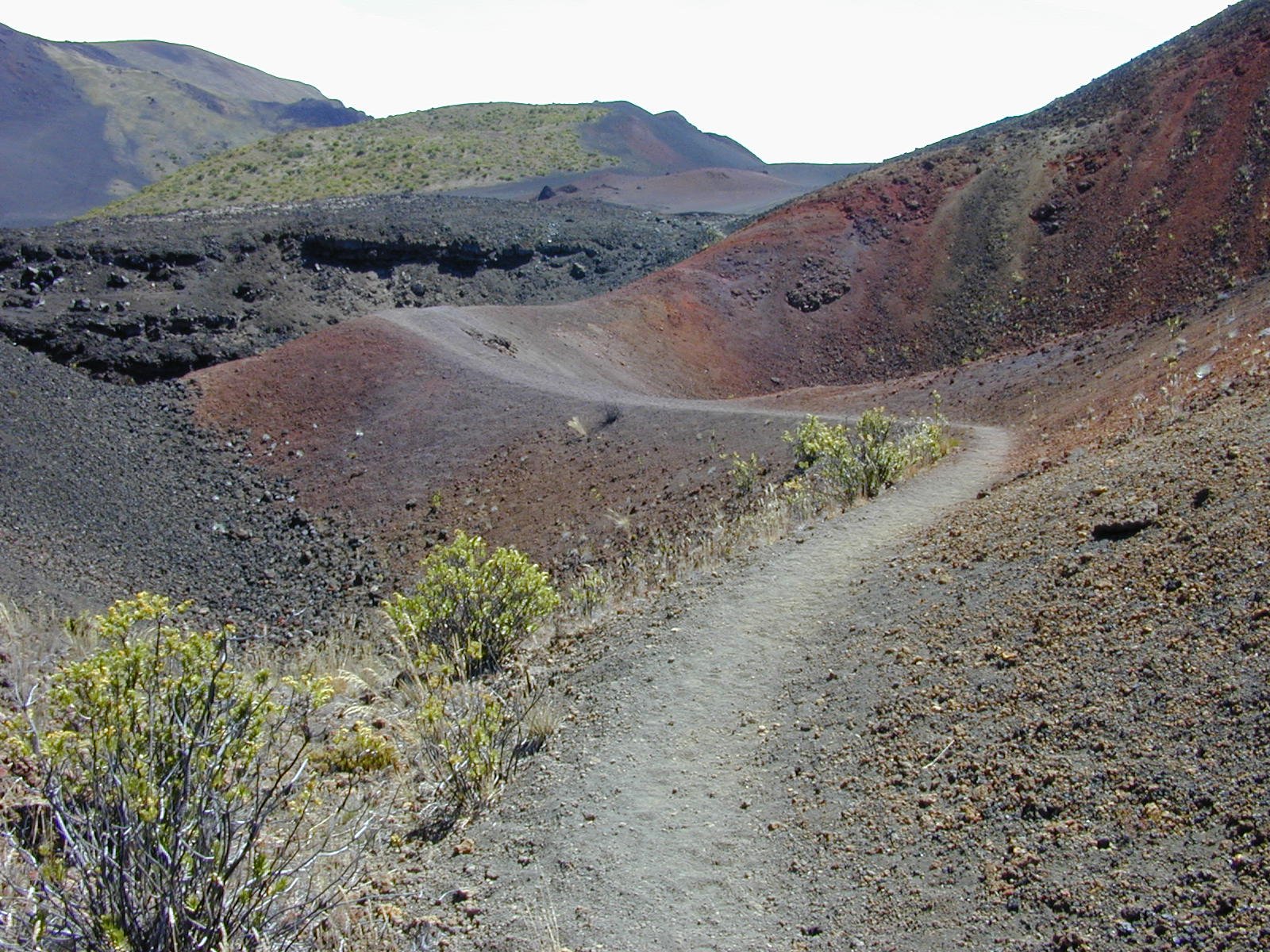
The Keoneheʻeheʻe (Sliding Sands) Trail dives into the crater from near the summit, revealing a painter’s box of red, rust, and charcoal cinder. You don’t have to commit to the full route; even a short out-and-back offers otherworldly scenery. Strong hikers can link Sliding Sands to the Halemauʻu Trail for a strenuous through-hike with big elevation change—plan shuttles and daylight carefully, and confirm trail conditions before you go.
Short Walks and Viewpoints
Leleiwi and Kalahaku overlooks are spectacular when clouds billow in and out. Near the summit, the Haleakalā Visitor Center (check current hours) offers interpretive displays. Hosmer Grove, lower on the mountain, is a convenient stop for a stretch, forest scents, and birdwatching.
Explore the Kīpahulu District
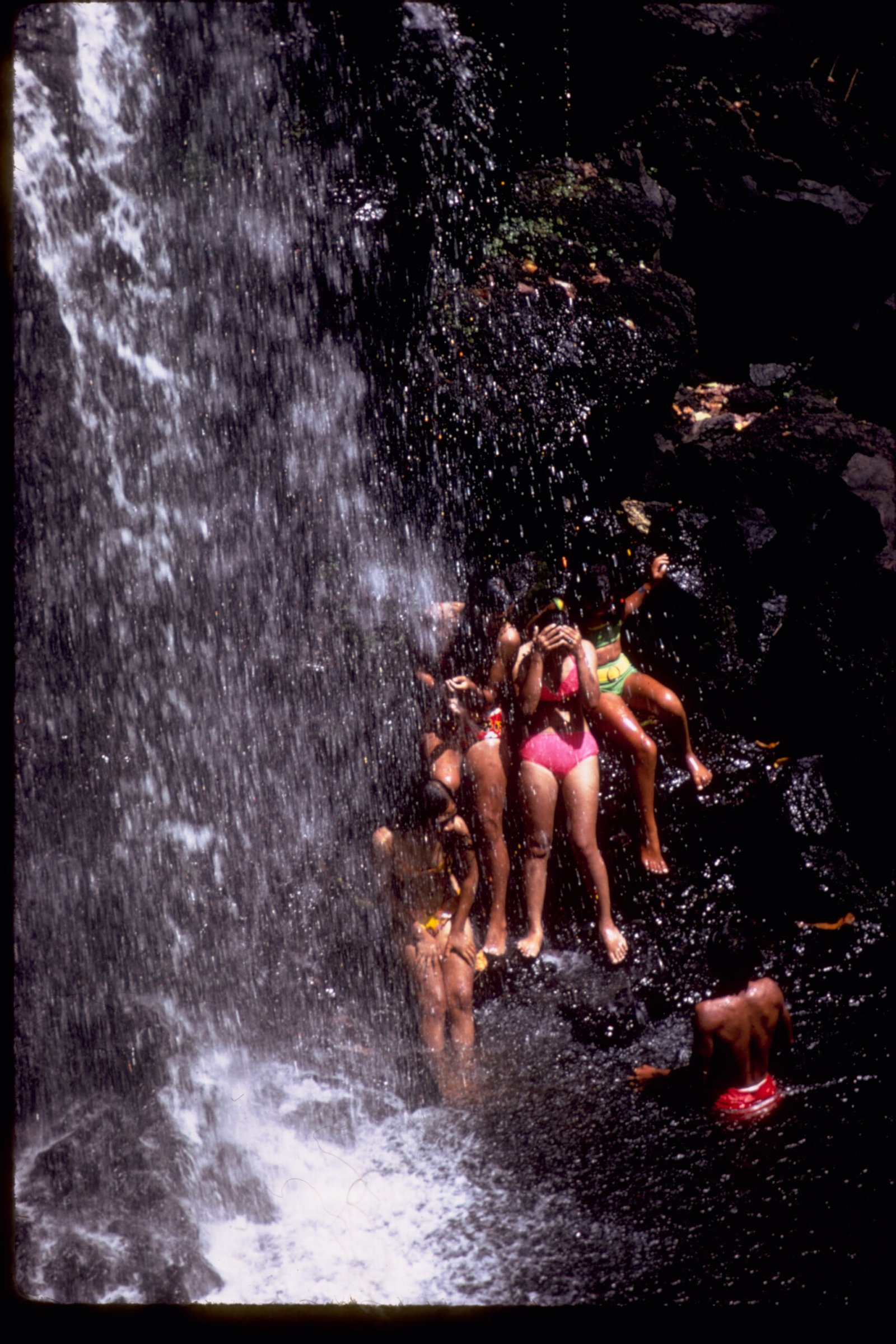
On the lush east side of Maui, the Kīpahulu District is a major change of scene. The Pīpīwai Trail climbs through bamboo to Waimoku Falls, one of the island’s great rainforest hikes. Ocean conditions at the ʻOheʻo Gulch (often called Seven Sacred Pools) vary and access can be restricted—obey all closures and signage, and check for updates before you go. Many visitors pair Kīpahulu with time in Hāna or an overnight there to avoid the long day of backtracking.
Best Areas to Base Your Trip
Upcountry (Kula, Makawao, Pukalani)
Closest to the summit road, Upcountry stays mean shorter predawn drives and mellow afternoons among farms and small towns. Expect cool nights, stellar stars, and easy access to the park’s Summit District.
North Shore (Pāʻia and Haʻikū)
Bohemian surf towns with great food and beaches. You’re still within range of an early start for sunrise while keeping a central base for Road to Hāna days, wind sports, and north-shore beaches.
Hāna and East Maui
For rainforest vibes and the Kīpahulu District, Hāna puts you right where you want to be. It’s remote, peaceful, and removes the pressure to rush the Road to Hāna.
South Maui (Wailea)
Resort comforts, reliable sunshine, and dining variety. It’s a longer drive to the summit, but many first-timers appreciate returning to pools and beaches after a chilly mountain morning.
Where to Eat and Local Food to Try
Fuel up before you climb. Upcountry, look to cozy cafés and bakeries for hot coffee and pastries; in Kula, casual bistros make good pre- or post-summit stops. Around Makawao and Pāʻia, you’ll find everything from fresh poke and plate lunches to farm-to-table spots and bakeries with long lineups (go early). In Hāna, seek out local food trucks for hearty post-hike meals and tropical smoothies. Always confirm current hours—small businesses here keep island time and may adjust schedules seasonally.
Where to Stay
Top Hotels to Consider
A mix of well-located resorts, hotels, and stays suited to different travel styles and priorities.
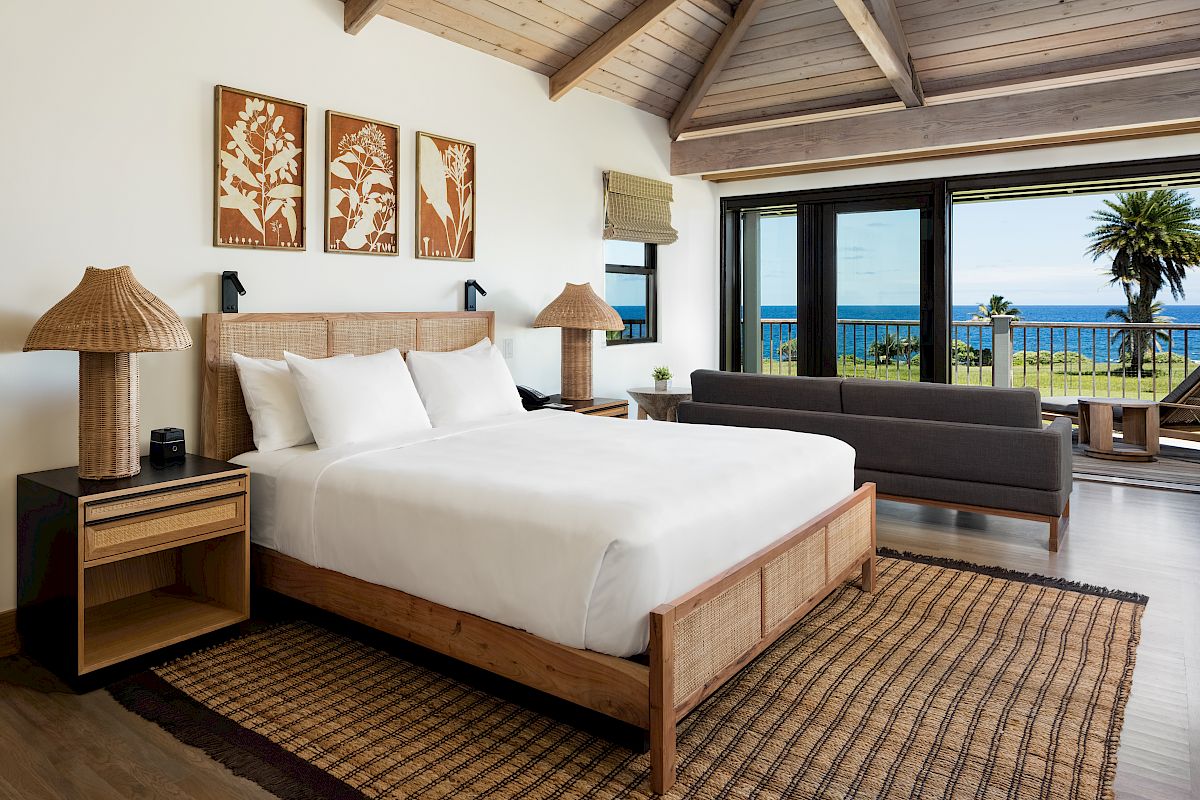


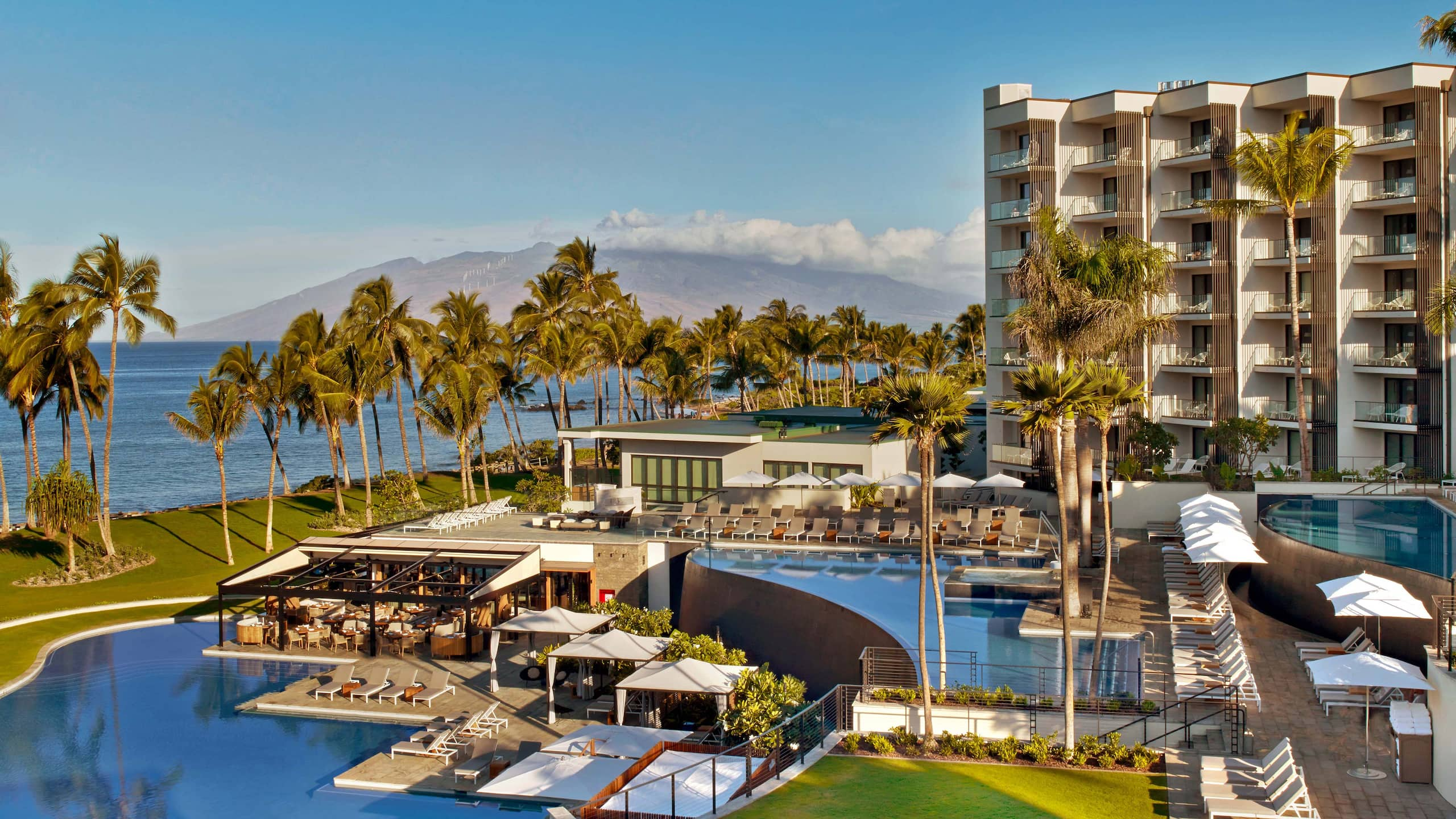
Find your stay in Haleakala National Park
Compare locations, guest reviews, and current availability.
Affiliate link • No additional cost to you
Prefer a place all to yourself?
Explore private homes, apartments, and vacation rentals suited to different group sizes and travel styles.


Find a place of your own in Haleakala National Park
Compare private homes, apartments, and vacation rentals for your trip.
Affiliate link • No additional cost to you
Choose your base by what you want most. If sunrise tops the list, Upcountry and North Shore shorten the drive. If you’re focused on the Pīpīwai Trail and Kīpahulu, stay in or near Hāna for a calmer pace. If you want beaches and amenities, Wailea’s resorts are an easy match. Our lodging picks at the end of this guide include a mix of boutique hotels and permitted vacation rentals in these areas—confirm current availability and policies before you book.
What to Pack for Haleakalā
Useful Travel Gear
Disclosure: Canyon Ray & Co. may earn a commission from qualifying purchases at no additional cost to you.

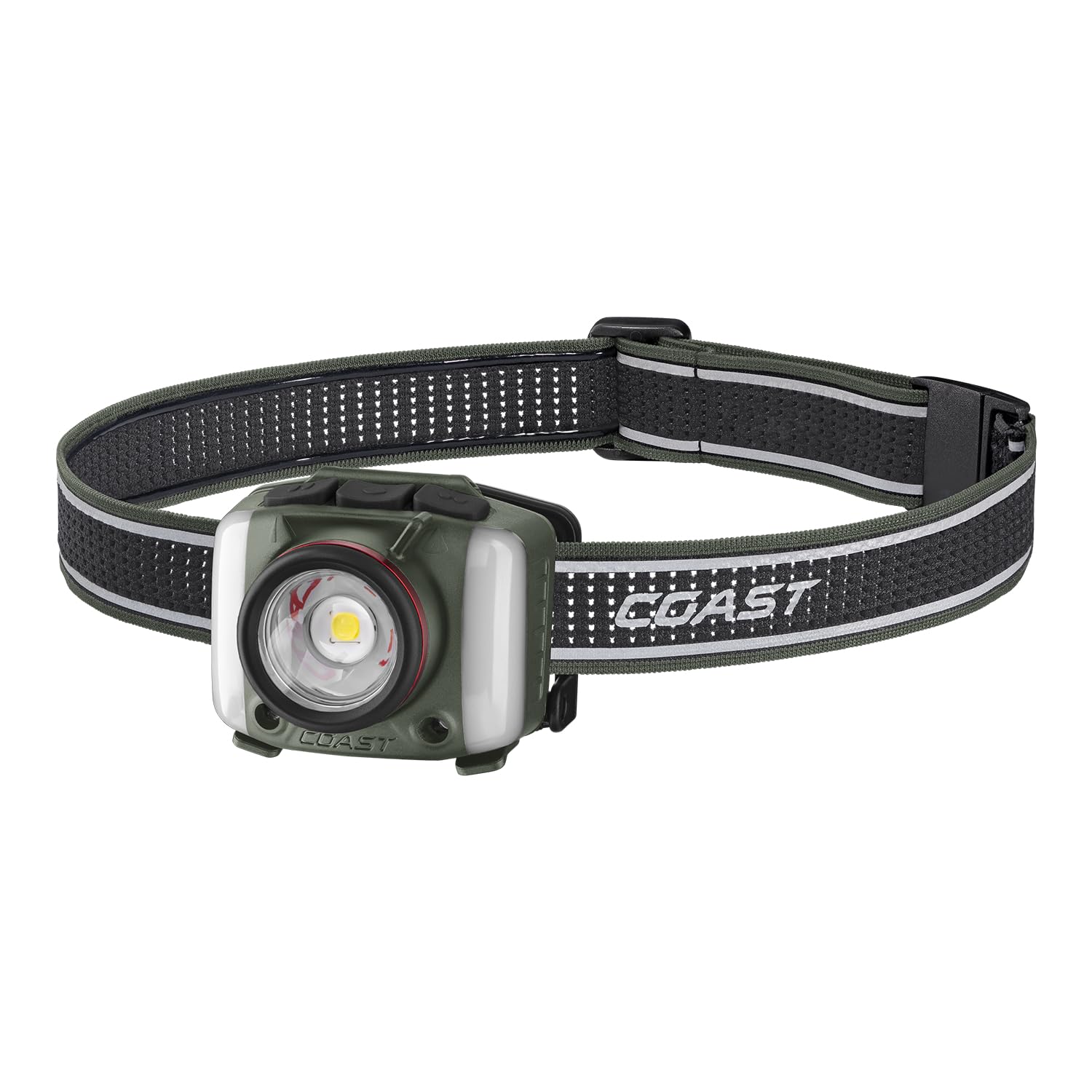

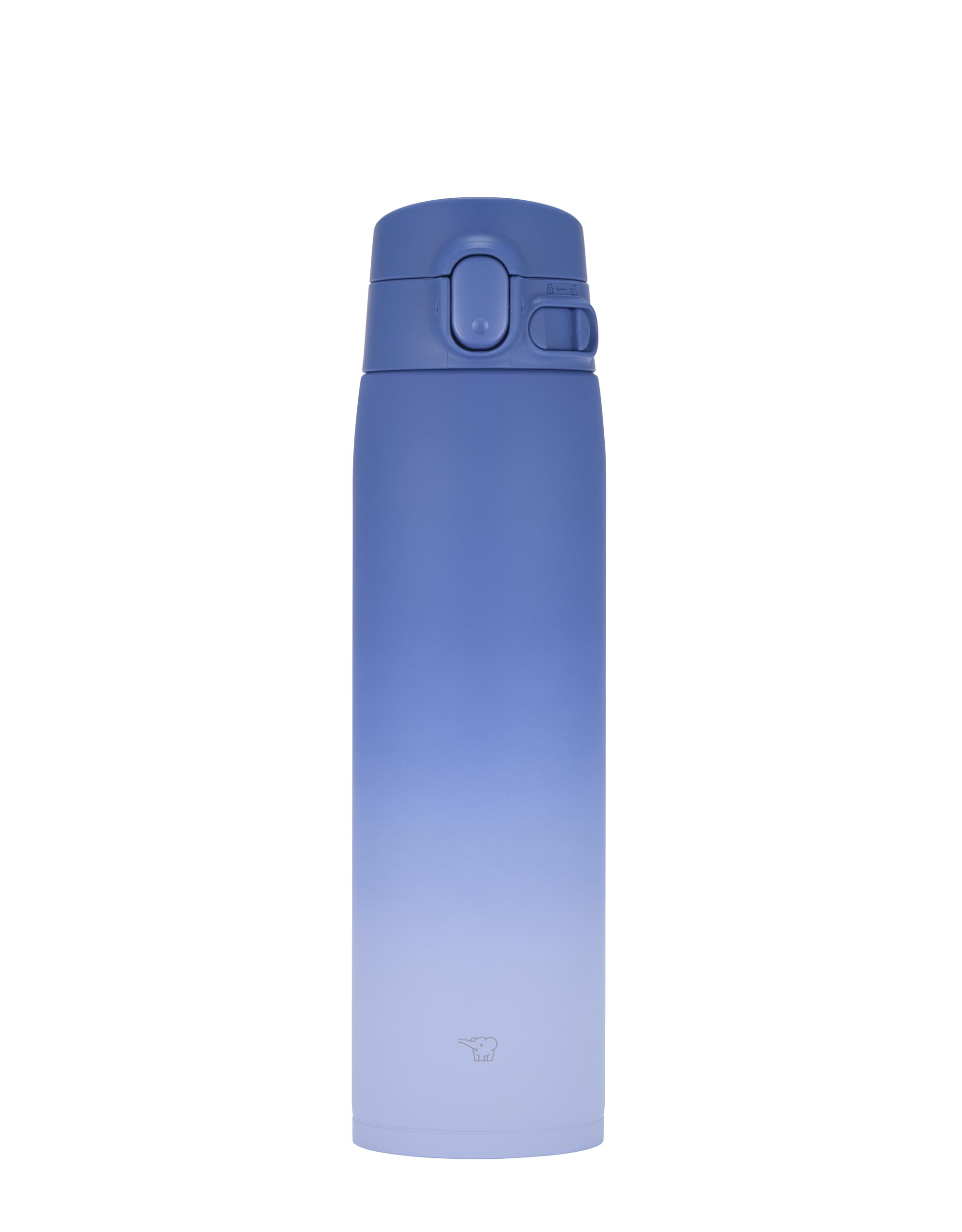
Summit conditions can feel like a different island. The key is warmth, wind protection, and lighting for safe predawn or post-sunset movement. Pack these and you’ll be glad you did:
- Packable down jacket: Lightweight but warm for pre-dawn chill at the summit; it doubles as a pillow on flights.
- Rechargeable headlamp with red light: Keeps hands free and preserves night vision during stargazing or early trail starts.
- Touchscreen-compatible thermal gloves: Warmth without removing gloves to check maps or take photos.
- Vacuum-insulated thermos (16–20 oz): Hot tea or coffee makes waiting for first light far more comfortable.
- Compact binoculars (8×25 or similar): Great for scanning cinder cones, distant islands, and seabirds on the east side.
- Collapsible trekking poles: Helpful on cinder descents where gravel behaves like ball bearings.
- Reef-safe mineral sunscreen: UV can be intense at altitude even when it’s cool and breezy.
- Hydration bladder (2–3 liters): There’s no potable water on most trails—carry more than you think you’ll need.
Practical One- and Two-Day Itineraries
One Day: Summit Focus
- Pre-dawn: Arrive early with layers, lights, and hot drinks. If sunrise reservations are in effect, have your booking and ID ready.
- Morning: After sunrise, explore summit overlooks, then hike part of Sliding Sands for a taste of the crater. Turn around with plenty of time and energy to spare.
- Lunch & Afternoon: Descend to Upcountry for a warm meal; visit a farm stand or botanical garden. If you’re staying nearby, rest, then consider returning for sunset if weather looks promising.
Two Days: Summit and Kīpahulu
- Day 1: Summit sunrise or sunset plus a moderate crater hike.
- Day 2: Drive the east side to Kīpahulu. Hike the Pīpīwai Trail to Waimoku Falls and spend unhurried time in Hāna. If you’re switching bases, overnight in Hāna to break up the driving.
Always verify current road conditions, park alerts, and any reservation requirements before committing to a plan.
Best Time to Visit
Haleakalā is open year-round, but conditions swing fast. Drier months can offer clearer skies, while winter can bring colder, windier weather. Sunrise demand spikes during holidays and school breaks. Whenever you go, build flexibility into your schedule—if clouds or wind shut down views one morning, try again the next.
Getting Around
A rental car is essential. The summit road is paved and well-marked but steep and winding; descend in low gear to protect brakes. There is no fuel, food, or potable water for sale inside the park—top off in Kahului, Pukalani, or Kula before you climb. Mobile reception is intermittent; download offline maps and carry a paper map if you’re exploring the east side. Never trespass on private roads or driveways while shortcutting to viewpoints.
Common Mistakes and Local Considerations
- Underestimating the cold: The summit can feel wintry. Bring real insulation, not just a beach hoodie.
- Skipping hydration: Altitude and dry air dehydrate quickly; drink steadily throughout the day.
- Rushing the drive: Pull over only in designated turnouts, and give wildlife the right of way. The native nēnē goose sometimes forages near roads—approach slowly and never feed wildlife.
- Ignoring closures: Trails, pools, and overlooks may close for safety or resource protection. Respect barriers and posted signs.
- Disrespecting sacred places: Haleakalā holds deep cultural significance. Stay on marked trails, leave stones and plants where they are (especially the fragile silversword), and keep noise low at dawn and dusk.
FAQ
Do I need a reservation for sunrise?
Timed entry is typically required for sunrise at the Summit District. Book in advance, bring your confirmation and photo ID, and arrive early. Always check the park’s official site for the latest process, dates, and rules.
Is sunset worth it if I can’t get a sunrise spot?
Absolutely. Sunset can be less crowded and just as colorful, and it flows naturally into excellent stargazing on clear nights. Bring warm layers and a headlamp.
Which first-time hike should I choose?
For crater scenery with flexibility, hike part of Sliding Sands and turn around when you’re half as tired as you think you should be—remember, the climb back is all uphill. For rainforest and waterfalls, the Pīpīwai Trail in the Kīpahulu District is a standout. Confirm current trail conditions before you go.
How long is the drive to the summit?
From most South Maui and North Shore bases, plan roughly two hours including a buffer for switchbacks and parking. Upcountry stays can shave that to well under an hour. Depart much earlier than you think for sunrise to avoid stress.
Will I get altitude sickness?
Most visitors feel only mild effects like shortness of breath, but everyone responds differently. Ascend gradually if possible, hydrate well, avoid heavy exertion at the top, and descend if you feel unwell.
Can I bike down from the summit?
Commercial bike tours typically do not start inside the park boundaries. If you’re considering a ride beginning outside the park, research carefully, follow all laws, and prioritize safety on narrow mountain roads.
Ready to plan your Haleakala National Park, Hawaii trip?
Compare current availability, locations, guest reviews, and booking options before choosing your stay.
Browse Haleakala National Park, Hawaii stays on Expedia
Affiliate link • No additional cost to you
Conclusion
Haleakalā rewards thoughtful planning: warm layers and lights for the dark hours, flexible timing for the weather, and respect for fragile, sacred terrain. Whether you greet the day above the clouds, wander cinder paths under a bright blue sky, or listen to bamboo clatter on the Pīpīwai Trail, this mountain will give you moments you’ll remember long after the flight home. Confirm current rules and conditions, choose a base that matches your goals, and savor the quiet—watching the light move across Maui is the rare kind of travel that slows time.